Benefits of Daily Meditation for Beginners
Introduction
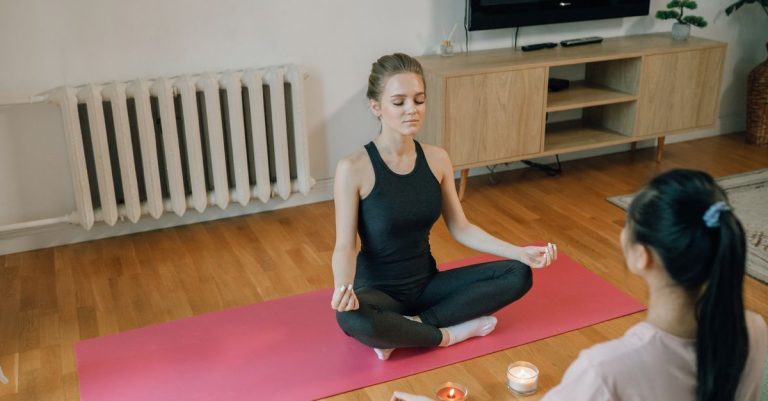
Meditation is one of the simplest wellness habits a beginner can start. It does not require expensive equipment, a special room, or hours of free time. In its most basic form, meditation means taking a few quiet minutes to focus your attention, notice your breathing, and become more aware of your thoughts without reacting to every one of them.
For many people, daily life feels busy, noisy, and mentally tiring. Work, school, family responsibilities, social media, and constant notifications can make the mind feel overloaded. A short daily meditation practice can help create a pause in the day. That pause may support calmer thinking, better self-awareness, and healthier daily routines.
This guide is written for beginners who want to understand the benefits of daily meditation and how to start in a realistic way. You do not need to be perfect, spiritual, or experienced. You only need a few minutes and a willingness to practice consistently.
What Is Meditation?
Meditation is a practice that trains attention and awareness. Different traditions and methods use meditation in different ways, but most beginner-friendly forms share the same basic idea: you choose something to focus on, such as your breath, a word, a sound, or your body, and gently return your attention whenever your mind wanders.
Many beginners think meditation means stopping all thoughts. This is not true. The mind naturally produces thoughts. During meditation, the goal is not to erase the mind but to notice thoughts without being pulled into them. When you realize your attention has wandered, you simply return to your focus point.
This simple process can teach patience, emotional awareness, and mental discipline over time. Like exercise for the body, meditation becomes easier with regular practice.
Why Daily Meditation Matters
Meditating once can feel relaxing, but the strongest benefits usually come from repetition. A daily habit, even for five minutes, helps the brain and body become familiar with moments of calm. Over time, this can make it easier to pause before reacting, notice stress earlier, and return to balance during difficult moments.
Daily meditation also creates structure. When you meditate at the same time each day, your mind begins to connect that moment with rest and reflection. This can be helpful for people who feel distracted or emotionally overwhelmed.
1. Meditation Can Help Reduce Everyday Stress
One of the most common reasons people try meditation is stress. Stress can come from responsibilities, uncertainty, conflict, deadlines, or simply having too much to think about. Meditation gives the nervous system a chance to slow down.
During a quiet meditation session, you may notice your breathing becomes slower and your body feels less tense. Even if your problems do not disappear, your reaction to them may become calmer. This can help you handle daily challenges with more patience.
For beginners, the key is to avoid expecting instant transformation. A five-minute meditation will not solve every problem, but it can help create a healthier response to stress.
2. Meditation Supports Better Focus
Modern life is full of distractions. Phones, messages, videos, and multitasking can train the mind to jump quickly from one thing to another. Meditation helps practice the opposite skill: staying with one point of attention.
When you focus on your breath and bring your attention back again and again, you are training concentration. This skill can support studying, working, reading, and completing tasks with less mental wandering.
Beginners may find that their mind wanders every few seconds. That does not mean the meditation is failing. Each time you return your attention, you are practicing focus.
3. Meditation Improves Self-Awareness
Daily meditation can help you understand your thoughts, moods, and habits more clearly. When you sit quietly, you may begin to notice patterns: worries that repeat, emotions that appear at certain times, or thoughts that affect your behavior.
This awareness is useful because you cannot improve what you do not notice. For example, you may realize that you often feel tense before checking emails, or that certain thoughts make you feel discouraged. Once you notice these patterns, you can respond more intentionally.
Self-awareness does not mean judging yourself. It means observing your inner experience with honesty and kindness.
4. Meditation May Support Emotional Balance
Emotions are normal, but they can sometimes feel intense. Anger, sadness, worry, and frustration can affect decisions and relationships. Meditation can create space between an emotion and your reaction.
Instead of immediately responding when you feel upset, meditation teaches you to pause, breathe, and notice what is happening inside. This does not mean ignoring emotions. It means giving yourself time to respond in a healthier way.
With practice, beginners may find that they become less reactive and more patient in daily situations.
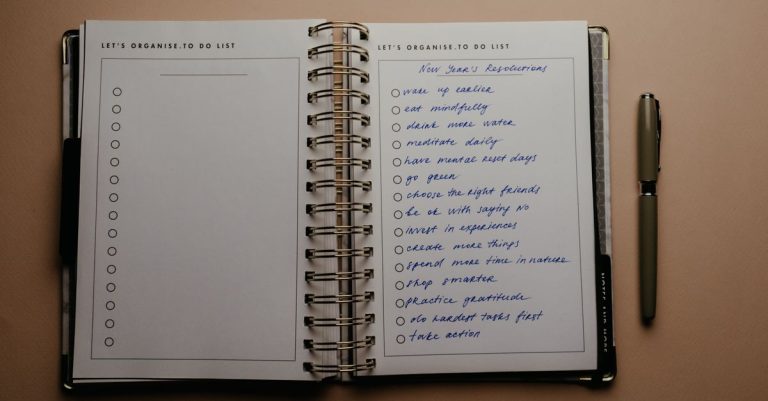
5. Meditation Can Help Build a Healthier Morning Routine
Starting the day with meditation can set a calm tone. Many people wake up and immediately check their phone, which can bring stress before the day has even begun. A short meditation before screens can help you begin with more clarity.
A simple morning routine could include drinking water, sitting quietly for five minutes, taking a few deep breaths, and choosing one intention for the day. This small habit can make mornings feel more controlled and less rushed.
6. Meditation Can Improve Sleep Preparation
Meditation is not a guaranteed cure for sleep problems, but it can support a calmer evening routine. Many people struggle to sleep because their mind is still active at night. A short breathing meditation can help the body transition from activity to rest.
Try meditating for five to ten minutes before bed. Sit or lie comfortably, breathe slowly, and gently return attention to the breath when thoughts appear. This can help reduce mental noise before sleep.
If sleep problems are frequent or severe, it is important to speak with a qualified healthcare professional.
7. Meditation Encourages Mindful Choices
Daily meditation can help you become more mindful in everyday life. Mindfulness means paying attention to what you are doing while you are doing it. This can affect eating, walking, working, speaking, and resting.
When you are more mindful, you may notice when you are eating out of boredom, scrolling out of habit, or reacting too quickly in a conversation. This awareness can support healthier choices.
How Beginners Can Start Meditating
Starting meditation should be simple. Many beginners quit because they make the practice too complicated. You do not need to meditate for 30 minutes. You can begin with just three to five minutes per day.
Simple beginner meditation method
- Choose a quiet place where you can sit comfortably.
- Set a timer for three to five minutes.
- Close your eyes or soften your gaze.
- Notice your breathing.
- When your mind wanders, gently return to the breath.
- At the end, take one slow breath and open your eyes.
Try this daily for one week. If it feels helpful, increase the time slowly.
Common Beginner Mistakes
The first mistake is expecting a perfectly quiet mind. Thoughts will appear. This is normal. The practice is returning to your focus, not preventing thoughts.
The second mistake is starting with too much time. A beginner who tries 30 minutes on the first day may feel frustrated. Start small and build gradually.
The third mistake is judging the session. Some days will feel calm, while others will feel restless. Both are part of the practice.
The fourth mistake is being inconsistent. A short daily meditation is usually more useful than a long session once in a while.
How to Make Meditation a Daily Habit
Attach meditation to something you already do. For example, meditate after brushing your teeth, after morning prayer, after making tea, or before opening your laptop. This makes the habit easier to remember.
Keep the practice simple. Choose the same place and time when possible. You can also use a journal to write one sentence after meditating, such as “Today I felt calm” or “Today my mind was busy.” This helps you track your experience without pressure.
Final Thoughts
Daily meditation is a simple habit with many potential benefits for beginners. It can support stress management, focus, self-awareness, emotional balance, and healthier routines. The most important part is consistency. You do not need to meditate perfectly. You only need to return to the practice each day.
Start with five minutes. Breathe. Notice. Return. Over time, this small habit can become a valuable part of a calmer and more mindful lifestyle.
Disclaimer: This article is for educational purposes only and does not replace professional medical advice, diagnosis, or treatment. If you have ongoing mental health concerns, speak with a qualified healthcare professional.
Frequently Asked Questions About Daily Meditation
How long should beginners meditate each day?
Beginners can start with three to five minutes per day. This is enough to build the habit without feeling overwhelmed. After one or two weeks, you can slowly increase the time to ten minutes if it feels comfortable.
What is the best time to meditate?
The best time is the time you can repeat consistently. Many people prefer the morning because it helps them begin the day calmly. Others prefer the evening because it helps them relax before sleep. Consistency matters more than the exact time.
Do I need a meditation app?
No, an app is optional. Some beginners enjoy guided meditation apps because they provide structure, but you can also meditate by simply sitting quietly and focusing on your breath.
What should I do if my mind keeps wandering?
A wandering mind is normal. When you notice that your attention has moved away from your breath, gently return to it. This returning is the practice. You are not failing when your mind wanders.
Can meditation replace therapy or medical care?
No. Meditation can support emotional wellness, but it should not replace professional care. If you are dealing with ongoing anxiety, depression, trauma, or serious stress, speak with a qualified mental health professional.
Simple 7-Day Meditation Plan for Beginners
If you are not sure how to begin, use this simple one-week plan. Keep it easy and realistic.
- Day 1: Sit quietly for three minutes and focus on your breathing.
- Day 2: Meditate for four minutes and notice when your mind wanders.
- Day 3: Try five minutes and relax your shoulders before starting.
- Day 4: Add one sentence of journaling after meditation.
- Day 5: Practice in the morning before checking your phone.
- Day 6: Try a short evening meditation before sleep.
- Day 7: Reflect on how you feel and choose a realistic routine for next week.
This plan is simple, but it helps build consistency. Once meditation becomes part of your daily routine, it becomes easier to continue.
Related HealthyLifeVibe Reads
If you are interested in building a calmer lifestyle, you may also enjoy reading about mindfulness, walking for mental health, managing stress naturally, and creating healthy morning habits.