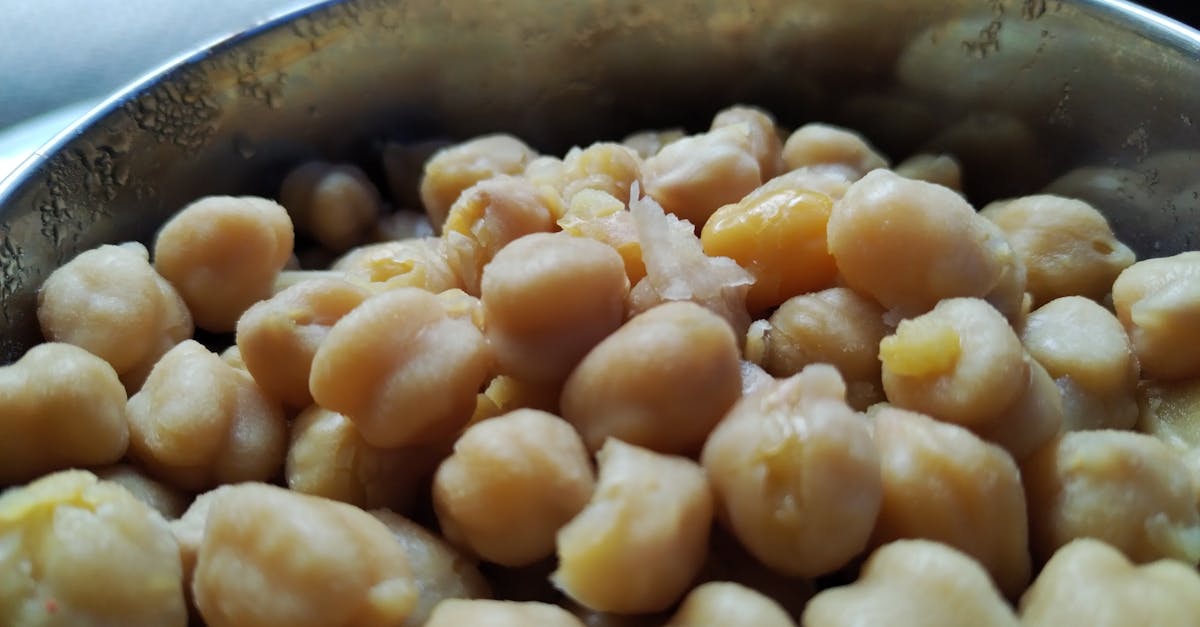
Foods High in Fiber
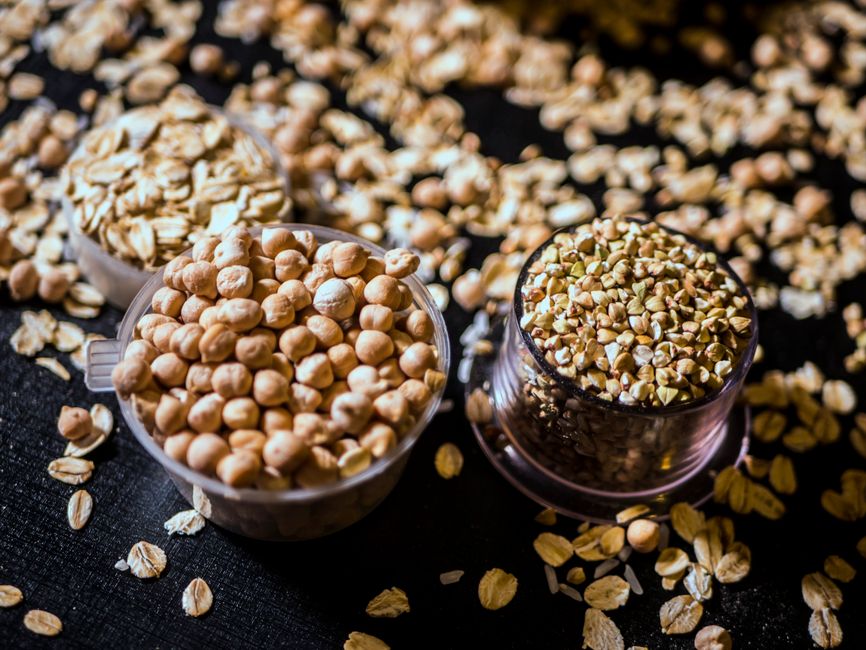
Foods High in Fiber
Fiber is an important part of a healthy diet because it supports digestion, fullness, gut health, and balanced meals. Many people do not eat enough fiber because their meals are low in beans, vegetables, fruit, whole grains, nuts, and seeds.
Quick Answer
Foods high in fiber include beans, lentils, chickpeas, oats, berries, apples, pears, broccoli, carrots, chia seeds, flaxseeds, whole-grain bread, brown rice, and potatoes with skin.
High-Fiber Foods Table
| Food | Fiber Benefit | Easy Use |
|---|---|---|
| Beans | Very high in fiber and plant protein | Soups, bowls, salads |
| Oats | Contain soluble fiber | Breakfast oatmeal |
| Berries | Fruit fiber with antioxidants | Yogurt or snack |
| Chia seeds | Small but fiber-dense | Add to yogurt or oats |
| Vegetables | Low-calorie volume | Half plate at meals |
How to Eat More Fiber Without Discomfort
Add fiber slowly. Increasing fiber too quickly can cause bloating or gas. Drink enough water and spread fiber across meals instead of eating a large amount at once.
Simple High-Fiber Meal Ideas
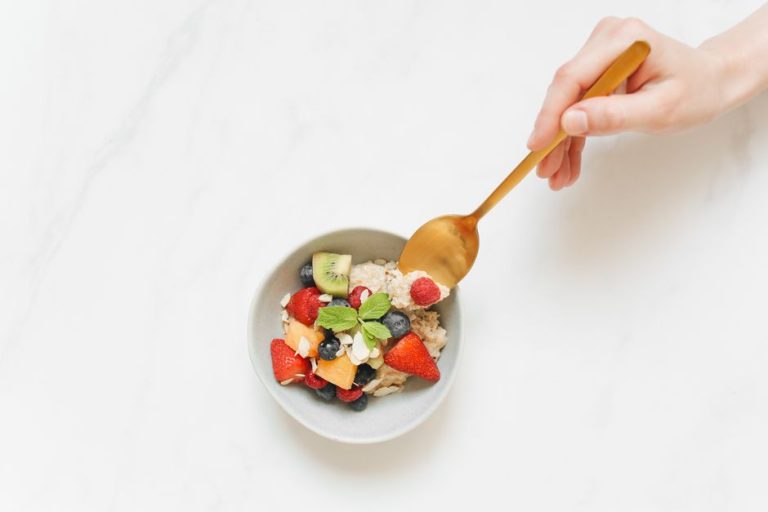
- Oatmeal with berries and chia seeds.
- Lentil soup with vegetables.
- Bean salad with olive oil and lemon.
- Whole-grain toast with avocado.
- Rice bowl with beans and vegetables.
FAQ
What food has the most fiber?
Beans, lentils, chia seeds, oats, and berries are strong fiber sources.
Can fiber help with weight loss?
Fiber can support fullness, which may help with appetite control.
Should I increase fiber quickly?
No. Increase fiber gradually and drink enough water.
Editorial note: This guide is educational and does not replace medical advice.
Practical Daily Tips
This guide is designed to help readers make simple, realistic choices without confusion. The best approach is usually not extreme. Small habits repeated consistently often create better long-term results than short periods of strict rules. Start with one or two changes, observe how your body and lifestyle respond, and then build from there.
Simple Weekly Checklist
| Area | Goal |
|---|---|
| Planning | Choose one clear habit to improve this week. |
| Nutrition | Focus on whole foods, enough protein, fiber, and water. |
| Movement | Add walking or light activity most days. |
| Sleep | Keep a regular bedtime and reduce screens before bed. |
| Review | Check what worked and adjust without guilt. |
When to Get Professional Advice
If you have a medical condition, take medication, are pregnant, have persistent symptoms, or feel unsure about what is safe for you, speak with a qualified healthcare professional. Online guides can help with general education, but personal advice should come from a professional who understands your health history.
Extra Practical Guidance
For best results, readers should apply this information gradually and connect it with their daily routine. A useful approach is to start with one simple action, repeat it for one week, and then improve the plan based on energy, budget, time, and personal needs.
Healthy habits are easier to maintain when they are simple, flexible, and realistic. Instead of looking for a perfect plan, focus on consistency, basic preparation, and small improvements that can be repeated over time.
Reader Action Plan
- Choose one habit from this guide.
- Apply it for seven days.
- Track what feels easier or harder.
- Adjust the habit instead of quitting.
- Repeat the process weekly.
Important Reminder
This content is for general education. People with medical conditions, special diets, medication, pregnancy, or ongoing symptoms should speak with a qualified professional before making major lifestyle changes.
Last reviewed by HealthyLifeVibe Editorial Team: June 2026. This article is for informational purposes only and does not replace professional medical advice.