Foods Rich in Vitamin D
Vitamin D is important for bone health, immune function, and overall wellbeing. Many people know that sunlight helps the body produce vitamin D, but food can also contribute to your intake.
Food alone may not be enough for everyone, especially people with limited sun exposure, darker skin, certain medical conditions, or low blood levels. Still, vitamin D-rich foods are a useful part of a balanced diet.
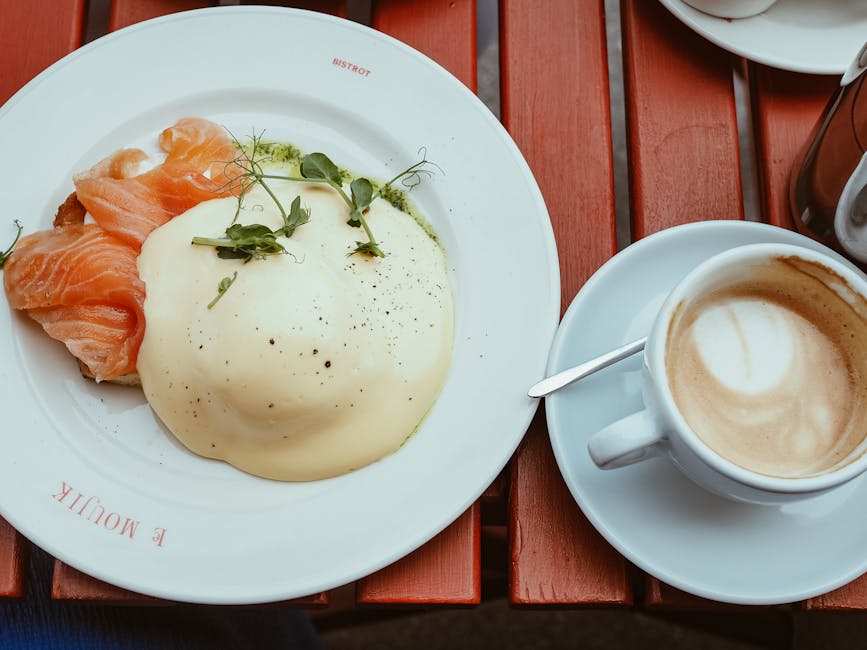
Best Foods Rich in Vitamin D
| Food | Why It Helps | How to Eat It |
|---|---|---|
| Salmon | One of the best natural sources. | Grilled, baked, or with salad. |
| Sardines | Affordable and nutrient-dense. | With toast or salad. |
| Tuna | Convenient source. | Sandwich, bowl, or salad. |
| Egg yolks | Small but useful amount. | Boiled, scrambled, or omelet. |
| Fortified milk | Often enriched with vitamin D. | With breakfast or smoothies. |
| Fortified cereals | Can add extra intake. | Choose lower-sugar options. |
| Mushrooms exposed to UV light | Plant-based vitamin D option. | Cooked with meals. |
Why Vitamin D Matters
Vitamin D helps the body absorb calcium and supports bone strength. It is also involved in muscle function and immune health. Low vitamin D should be confirmed with a blood test and discussed with a healthcare professional.
Can Food Alone Provide Enough Vitamin D?
For some people, food helps but may not be enough. Sun exposure, location, season, clothing, sunscreen use, skin tone, age, and health conditions can affect vitamin D status.
Signs That May Be Linked to Low Vitamin D
Possible signs may include tiredness, muscle aches, low mood, bone discomfort, or frequent illness. These symptoms can also have many other causes, so testing and professional advice are important.
Simple Vitamin D Meal Ideas
- Salmon with potatoes and vegetables.
- Sardine salad with olive oil and lemon.
- Egg omelet with mushrooms.
- Fortified yogurt with fruit.
- Tuna bowl with leafy greens.
Related Guides
- Vitamin D Deficiency Symptoms
- Foods High in Iron
- Foods Rich in Magnesium
- Best Foods for Health
- Healthy Breakfast Ideas
FAQ
What food is highest in vitamin D?
Fatty fish such as salmon, sardines, and tuna are among the strongest natural food sources.
Are eggs rich in vitamin D?
Egg yolks contain some vitamin D, but usually not enough to rely on alone.
Should I take vitamin D supplements?
Supplements should be discussed with a healthcare professional, especially if you suspect deficiency or have medical conditions.
HealthyLifeVibe related guides
- Simple Morning Habits for Better Energy
- Healthy Snacks That Support Balanced Energy
- How to Build a Realistic Evening Routine
Practical Tips to Apply This in Daily Life
The most important part of any healthy lifestyle habit is making it realistic. Many people fail because they try to change too many things at the same time. A better approach is to start with one simple action, repeat it consistently, and then add another habit once the first one feels natural.
For example, instead of trying to completely redesign your routine in one day, choose one small improvement you can keep for the next seven days. This could be drinking more water, preparing a healthier breakfast, walking for ten minutes, planning meals, or improving your sleep environment. Small actions become powerful when they are repeated over time.
How to Stay Consistent
Consistency becomes easier when habits are simple, visible, and connected to something you already do. You can link a new habit to an existing routine, such as drinking water after waking up, stretching after brushing your teeth, or preparing a healthy snack after lunch. This makes the habit easier to remember.
Tracking progress can also help. You do not need a complicated system. A simple checklist, calendar note, or weekly reflection can show whether your habits are improving. Seeing small progress can increase motivation and help you stay focused.
When to Adjust Your Routine
Your routine should support your life, not create extra pressure. If a habit feels too difficult, reduce it instead of quitting. A twenty-minute workout can become five minutes. A strict meal plan can become a simple grocery list. A long bedtime routine can become ten quiet minutes before sleep. Adjusting the habit makes it easier to continue.
Practical Daily Tips
This guide is designed to help readers make simple, realistic choices without confusion. The best approach is usually not extreme. Small habits repeated consistently often create better long-term results than short periods of strict rules. Start with one or two changes, observe how your body and lifestyle respond, and then build from there.
Simple Weekly Checklist
| Area | Goal |
|---|---|
| Planning | Choose one clear habit to improve this week. |
| Nutrition | Focus on whole foods, enough protein, fiber, and water. |
| Movement | Add walking or light activity most days. |
| Sleep | Keep a regular bedtime and reduce screens before bed. |
| Review | Check what worked and adjust without guilt. |
When to Get Professional Advice
If you have a medical condition, take medication, are pregnant, have persistent symptoms, or feel unsure about what is safe for you, speak with a qualified healthcare professional. Online guides can help with general education, but personal advice should come from a professional who understands your health history.