Healthy Grocery List on a Budget
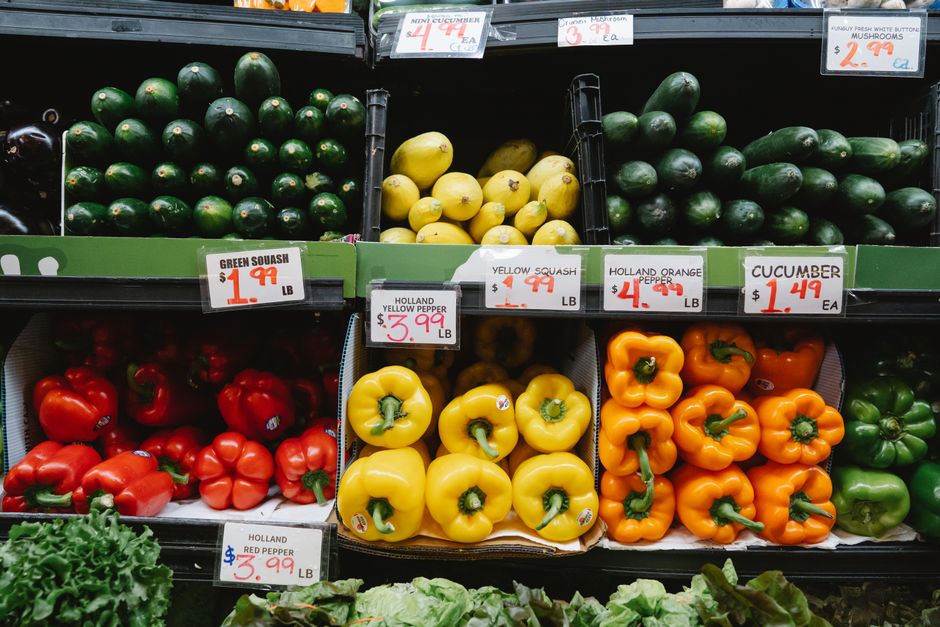
Can You Eat Healthy on a Budget?
Yes. Healthy eating does not require expensive superfoods. A budget-friendly grocery list can include beans, lentils, eggs, oats, rice, frozen vegetables, seasonal fruit, canned fish, potatoes, yogurt, and basic spices.
Budget Grocery List
| Category | Affordable Options | Use |
|---|---|---|
| Protein | Eggs, beans, lentils, tuna, yogurt. | Meals and snacks. |
| Carbs | Oats, rice, potatoes, whole-grain bread. | Energy and fullness. |
| Vegetables | Frozen vegetables, carrots, cabbage, onions. | Volume and nutrients. |
| Fruit | Apples, bananas, seasonal fruit. | Snacks and breakfast. |
| Fats | Olive oil, nuts, peanut butter. | Flavor and satisfaction. |
Cheap Healthy Meals
- Oatmeal with banana.
- Eggs with potatoes and vegetables.
- Lentil soup.
- Rice and bean bowl.
- Tuna salad with whole-grain bread.
- Greek yogurt with fruit.
Money-Saving Tips
Plan meals before shopping, buy frozen vegetables, choose seasonal produce, use leftovers, avoid frequent snack purchases, and build meals around affordable staples.
Related Guides
- Best Weight Loss Foods 2026
- Healthy Meal Prep Ideas
- Foods High in Fiber
- High Protein Foods List
- Mediterranean Diet Meal Plan
FAQ
What is the cheapest healthy protein?
Beans, lentils, eggs, canned tuna, and yogurt are often affordable choices.
Are frozen vegetables healthy?
Yes. Frozen vegetables are practical, affordable, and can be nutrient-rich.
How do I avoid wasting food?
Plan meals, reuse leftovers, freeze extras, and buy only what you can realistically eat.
HealthyLifeVibe related guides
- Simple Morning Habits for Better Energy
- Healthy Snacks That Support Balanced Energy
- How to Build a Realistic Evening Routine
Practical Tips to Apply This in Daily Life
The most important part of any healthy lifestyle habit is making it realistic. Many people fail because they try to change too many things at the same time. A better approach is to start with one simple action, repeat it consistently, and then add another habit once the first one feels natural.
For example, instead of trying to completely redesign your routine in one day, choose one small improvement you can keep for the next seven days. This could be drinking more water, preparing a healthier breakfast, walking for ten minutes, planning meals, or improving your sleep environment. Small actions become powerful when they are repeated over time.
How to Stay Consistent
Consistency becomes easier when habits are simple, visible, and connected to something you already do. You can link a new habit to an existing routine, such as drinking water after waking up, stretching after brushing your teeth, or preparing a healthy snack after lunch. This makes the habit easier to remember.
Tracking progress can also help. You do not need a complicated system. A simple checklist, calendar note, or weekly reflection can show whether your habits are improving. Seeing small progress can increase motivation and help you stay focused.
When to Adjust Your Routine
Your routine should support your life, not create extra pressure. If a habit feels too difficult, reduce it instead of quitting. A twenty-minute workout can become five minutes. A strict meal plan can become a simple grocery list. A long bedtime routine can become ten quiet minutes before sleep. Adjusting the habit makes it easier to continue.
Simple Weekly Check-In
At the end of each week, take a few minutes to review what worked well and what felt difficult. This helps you improve your routine without pressure. You can ask yourself whether the habit was realistic, whether it supported your energy, and whether it made your day easier.
Small weekly adjustments can make healthy living more sustainable. Instead of starting over every Monday, focus on improving one detail at a time. This steady approach makes progress easier to maintain over the long term.
Helpful Reminder
Healthy routines do not need to be perfect. What matters most is choosing simple actions that you can repeat. When a habit feels too difficult, make it smaller instead of giving up completely. This makes your progress more realistic and easier to continue.
Budget-Friendly Final Tip
Keep your grocery list simple, repeat affordable meals, and choose versatile ingredients that can be used in several healthy recipes during the week.
Last reviewed by HealthyLifeVibe Editorial Team: June 2026. This article is for informational purposes only and does not replace professional medical advice.