How Much Water Should You Drink Every Day?
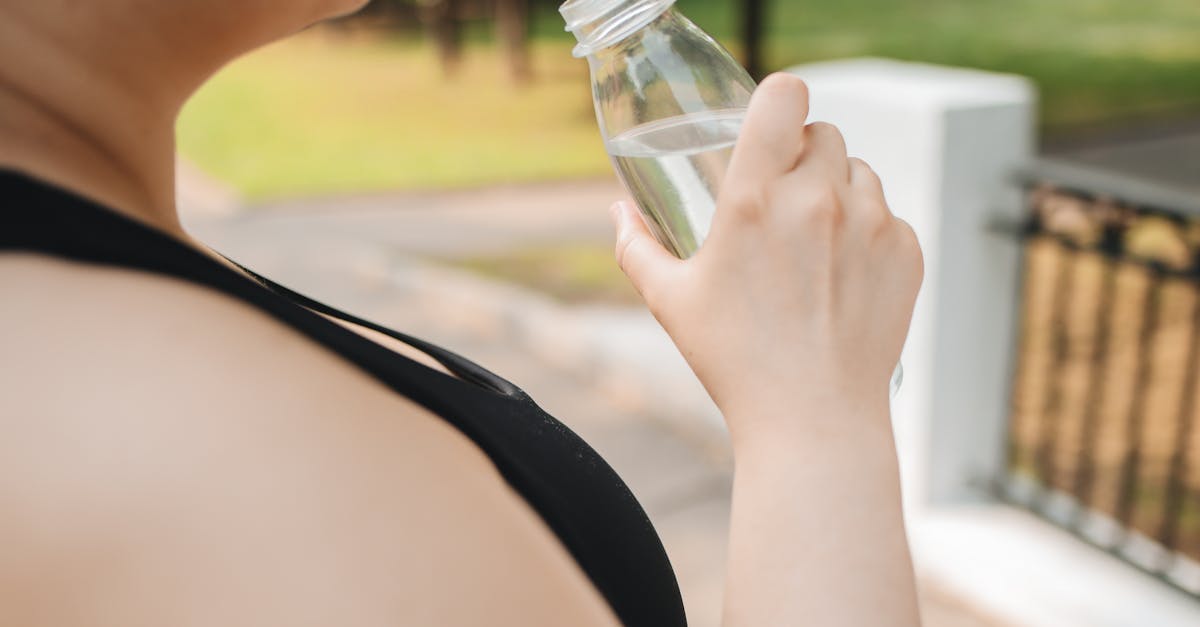
Water supports almost every major function in the body, including digestion, temperature control, circulation, and concentration. But the amount you need can vary depending on your body, activity level, climate, diet, and health conditions.
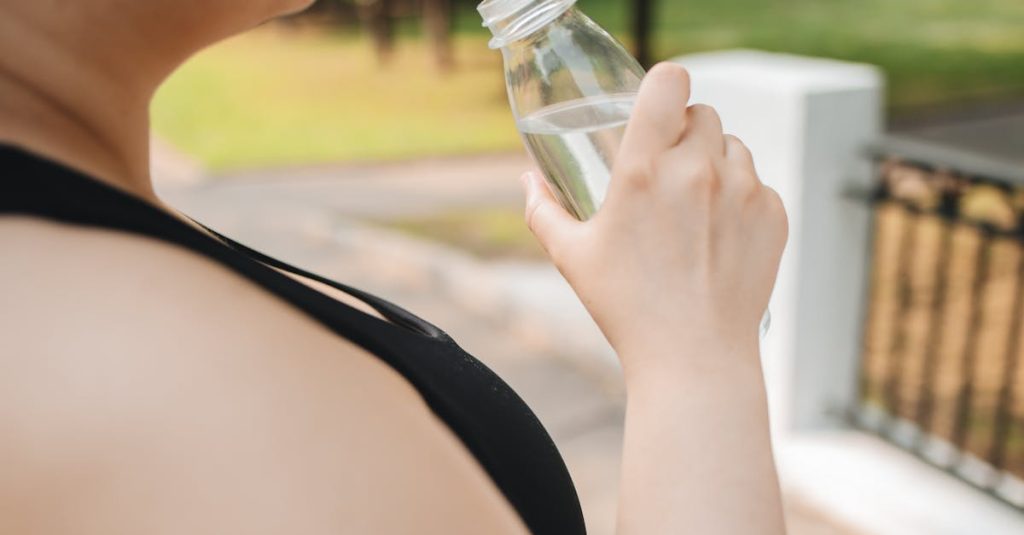
General Hydration Guidance
Many adults use the simple goal of drinking water regularly throughout the day. Instead of focusing only on a fixed number, it is often better to watch your body’s signals and adjust based on your routine.
Signs You May Need More Water
- Dry mouth
- Dark yellow urine
- Headache
- Low energy
- Dizziness
- Feeling unusually thirsty
Easy Ways to Drink More Water
Keep a bottle near your desk, drink a glass before meals, add lemon or mint for flavor, and eat water-rich foods such as cucumbers, oranges, watermelon, and soups.
When to Be Careful
People with kidney, heart, or certain medical conditions should follow professional guidance about fluid intake. Hydration advice is not the same for everyone.
Does coffee count as fluid?
Coffee contributes to fluid intake, but plain water is still one of the best choices.
Can I drink too much water?
Yes, drinking extreme amounts can be dangerous, especially in a short period.
Is urine color useful?
It can be a helpful clue. Pale yellow is often a good sign, while very dark urine may suggest dehydration.
Factors That Affect Daily Water Needs
Your hydration needs can change based on your activity level, climate, body size, diet, and overall health. People who exercise, sweat more, eat salty foods, or live in hot climates may need more fluids than others.
Hydration From Food
Water does not only come from drinks. Fruits, vegetables, soups, and smoothies also contribute to hydration. Watermelon, cucumber, oranges, tomatoes, and lettuce are examples of water-rich foods.
Practical Hydration Tips
- Drink a glass of water after waking up.
- Keep a reusable bottle nearby.
- Drink before, during, and after exercise.
- Add lemon, mint, or cucumber for flavor.
- Use urine color as a general guide.
Sources
- Mayo Clinic
- National Academies of Sciences, Engineering, and Medicine
- Centers for Disease Control and Prevention
Practical Guidance for Readers
This guide is designed to help readers make simple, realistic wellness choices without feeling overwhelmed. The best approach is to start small, stay consistent, and adjust habits based on your lifestyle, health background, and daily routine.
Healthy habits are easier to maintain when they are practical. Instead of trying to change everything at once, choose one action you can repeat every day. Over time, these small choices can support better energy, focus, comfort, and wellbeing.
How to Apply This Advice Safely
Use this information as general education, not as a personal medical plan. If you have ongoing symptoms, a diagnosed condition, pregnancy, medication use, or serious health concerns, speak with a qualified healthcare professional before making major changes.
Is this advice suitable for everyone?
No. This article provides general information. People with health conditions or ongoing symptoms should seek professional guidance.
What is the best first step?
Start with one small habit that feels easy to repeat. Consistency is more useful than a complicated plan.
How long does it take to notice benefits?
Some changes may feel helpful quickly, while others require several weeks of consistency.
How to Track Your Progress
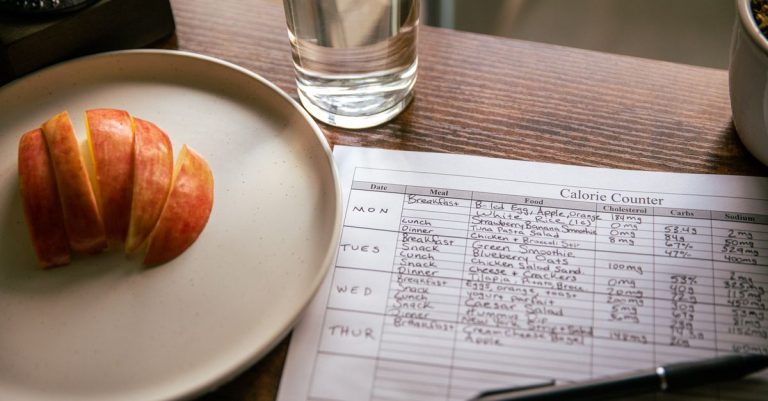
Tracking does not need to be complicated. You can use a notebook, phone note, or simple checklist. Write down whether you completed the habit, how you felt, and anything that made the habit easier or harder. This gives you useful feedback without creating pressure.
After one or two weeks, review what worked. If the habit helped, keep it. If it felt unrealistic, reduce the difficulty. For example, five minutes of movement is better than skipping a planned thirty-minute workout. The goal is progress, not perfection.
Who Should Be Extra Careful?
Some readers need personalized advice before making changes. This includes people with chronic medical conditions, people taking medication, pregnant readers, older adults, and anyone experiencing severe or unusual symptoms. General wellness articles can be helpful, but they cannot understand your full health history.
If something feels wrong, gets worse, or affects your daily life, professional advice is the safest next step. Reliable self-care includes knowing when to ask for help.
Final Thoughts
Small wellness habits can improve daily life when they are simple, safe, and consistent. Start with one manageable step, repeat it regularly, and adjust as needed. Healthy living is not about strict rules. It is about building routines that support your body, mind, and lifestyle over time.