
Natural Ways to Improve Sleep
Practical Guidance for Readers
This guide is designed to help readers make simple, realistic wellness choices without feeling overwhelmed. The best approach is to start small, stay consistent, and adjust habits based on your lifestyle, health background, and daily routine.
Healthy habits are easier to maintain when they are practical. Instead of trying to change everything at once, choose one action you can repeat every day. Over time, these small choices can support better energy, focus, comfort, and wellbeing.
How to Apply This Advice Safely
Use this information as general education, not as a personal medical plan. If you have ongoing symptoms, a diagnosed condition, pregnancy, medication use, or serious health concerns, speak with a qualified healthcare professional before making major changes.
Is this advice suitable for everyone?
No. This article provides general information. People with health conditions or ongoing symptoms should seek professional guidance.
What is the best first step?
Start with one small habit that feels easy to repeat. Consistency is more useful than a complicated plan.
How long does it take to notice benefits?
Some changes may feel helpful quickly, while others require several weeks of consistency.
How to Track Your Progress
Tracking does not need to be complicated. You can use a notebook, phone note, or simple checklist. Write down whether you completed the habit, how you felt, and anything that made the habit easier or harder. This gives you useful feedback without creating pressure.
After one or two weeks, review what worked. If the habit helped, keep it. If it felt unrealistic, reduce the difficulty. For example, five minutes of movement is better than skipping a planned thirty-minute workout. The goal is progress, not perfection.
Who Should Be Extra Careful?
Some readers need personalized advice before making changes. This includes people with chronic medical conditions, people taking medication, pregnant readers, older adults, and anyone experiencing severe or unusual symptoms. General wellness articles can be helpful, but they cannot understand your full health history.
If something feels wrong, gets worse, or affects your daily life, professional advice is the safest next step. Reliable self-care includes knowing when to ask for help.
Final Thoughts
Small wellness habits can improve daily life when they are simple, safe, and consistent. Start with one manageable step, repeat it regularly, and adjust as needed. Healthy living is not about strict rules. It is about building routines that support your body, mind, and lifestyle over time.
Can herbal tea help sleep?
Some people find caffeine-free herbal teas calming before bed.
Is it bad to use my phone in bed?
It can make sleep harder for some people because it keeps the mind active.
When should I seek help?
If sleep problems continue or affect daily life, speak with a healthcare professional.
Practical Guidance for Readers
This guide is designed to help readers make simple, realistic wellness choices without feeling overwhelmed. The best approach is to start small, stay consistent, and adjust habits based on your lifestyle, health background, and daily routine.
Healthy habits are easier to maintain when they are practical. Instead of trying to change everything at once, choose one action you can repeat every day. Over time, these small choices can support better energy, focus, comfort, and wellbeing.
How to Apply This Advice Safely
Use this information as general education, not as a personal medical plan. If you have ongoing symptoms, a diagnosed condition, pregnancy, medication use, or serious health concerns, speak with a qualified healthcare professional before making major changes.
Is this advice suitable for everyone?
No. This article provides general information. People with health conditions or ongoing symptoms should seek professional guidance.
What is the best first step?
Start with one small habit that feels easy to repeat. Consistency is more useful than a complicated plan.
How long does it take to notice benefits?
Some changes may feel helpful quickly, while others require several weeks of consistency.
How to Track Your Progress
Tracking does not need to be complicated. You can use a notebook, phone note, or simple checklist. Write down whether you completed the habit, how you felt, and anything that made the habit easier or harder. This gives you useful feedback without creating pressure.
After one or two weeks, review what worked. If the habit helped, keep it. If it felt unrealistic, reduce the difficulty. For example, five minutes of movement is better than skipping a planned thirty-minute workout. The goal is progress, not perfection.
Who Should Be Extra Careful?
Some readers need personalized advice before making changes. This includes people with chronic medical conditions, people taking medication, pregnant readers, older adults, and anyone experiencing severe or unusual symptoms. General wellness articles can be helpful, but they cannot understand your full health history.
If something feels wrong, gets worse, or affects your daily life, professional advice is the safest next step. Reliable self-care includes knowing when to ask for help.
Final Thoughts
Small wellness habits can improve daily life when they are simple, safe, and consistent. Start with one manageable step, repeat it regularly, and adjust as needed. Healthy living is not about strict rules. It is about building routines that support your body, mind, and lifestyle over time.
Good sleep supports mood, focus, immunity, and daily energy. If your nights feel restless, small natural changes to your routine may help you sleep better.

Create a Regular Bedtime
Your body responds well to routine. Sleeping and waking at similar times can make rest feel more natural.
Reduce Screen Time
Try to stop scrolling at least 30 minutes before bed. Use that time for reading, stretching, or calm breathing.
Make Your Room Sleep-Friendly
A cool, dark, quiet room can improve sleep comfort. Earplugs, curtains, or a simple sleep mask may help.
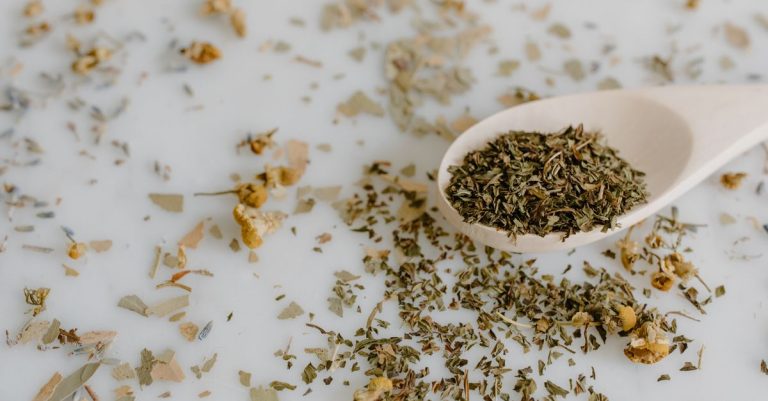
Can herbal tea help sleep?
Some people find caffeine-free herbal teas calming before bed.
Is it bad to use my phone in bed?
It can make sleep harder for some people because it keeps the mind active.
When should I seek help?
If sleep problems continue or affect daily life, speak with a healthcare professional.
Practical Guidance for Readers
This guide is designed to help readers make simple, realistic wellness choices without feeling overwhelmed. The best approach is to start small, stay consistent, and adjust habits based on your lifestyle, health background, and daily routine.
Healthy habits are easier to maintain when they are practical. Instead of trying to change everything at once, choose one action you can repeat every day. Over time, these small choices can support better energy, focus, comfort, and wellbeing.
How to Apply This Advice Safely
Use this information as general education, not as a personal medical plan. If you have ongoing symptoms, a diagnosed condition, pregnancy, medication use, or serious health concerns, speak with a qualified healthcare professional before making major changes.
Is this advice suitable for everyone?
No. This article provides general information. People with health conditions or ongoing symptoms should seek professional guidance.
What is the best first step?
Start with one small habit that feels easy to repeat. Consistency is more useful than a complicated plan.
How long does it take to notice benefits?
Some changes may feel helpful quickly, while others require several weeks of consistency.
How to Track Your Progress
Tracking does not need to be complicated. You can use a notebook, phone note, or simple checklist. Write down whether you completed the habit, how you felt, and anything that made the habit easier or harder. This gives you useful feedback without creating pressure.
After one or two weeks, review what worked. If the habit helped, keep it. If it felt unrealistic, reduce the difficulty. For example, five minutes of movement is better than skipping a planned thirty-minute workout. The goal is progress, not perfection.
Who Should Be Extra Careful?
Some readers need personalized advice before making changes. This includes people with chronic medical conditions, people taking medication, pregnant readers, older adults, and anyone experiencing severe or unusual symptoms. General wellness articles can be helpful, but they cannot understand your full health history.
If something feels wrong, gets worse, or affects your daily life, professional advice is the safest next step. Reliable self-care includes knowing when to ask for help.
Final Thoughts
Small wellness habits can improve daily life when they are simple, safe, and consistent. Start with one manageable step, repeat it regularly, and adjust as needed. Healthy living is not about strict rules. It is about building routines that support your body, mind, and lifestyle over time.