Why Hotel Sleep Quality Matters for Guest Satisfaction
Sleep and Guest Satisfaction
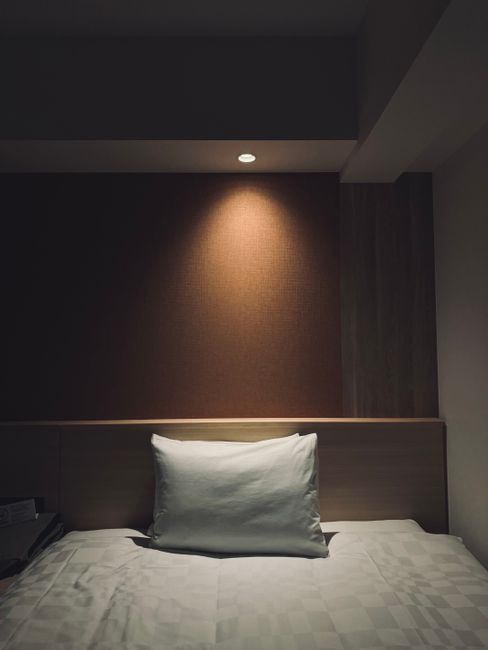
One of the most important parts of a hotel stay is sleep quality. Guests who sleep well are more likely to leave positive reviews and return.
Why Bedding Matters
Comfortable bedding, towels and bathrobes contribute to a relaxing guest experience.
Hospitality Wellness Trends
Modern travelers increasingly prioritize wellness, relaxation and quality sleep.
Hospitality professionals interested in hotel textile sourcing can explore:
Hotel Textile Supplier for USA
and
Hotel Textile Supplier for UK.
Related Reading
Conclusion
Hotels that prioritize sleep quality often achieve higher guest satisfaction and better reviews.
HealthyLifeVibe related guides
- Simple Morning Habits for Better Energy
- Healthy Snacks That Support Balanced Energy
- How to Build a Realistic Evening Routine
Why Sleep Quality Affects Hotel Reviews
Sleep is one of the most important parts of a hotel stay. Even if the location, service, and design are excellent, poor sleep can affect how guests remember their experience. A quiet room, comfortable bedding, and supportive mattress can strongly influence guest satisfaction.
Main Factors That Improve Hotel Sleep
Important factors include clean sheets, breathable fabrics, proper pillow support, temperature control, blackout curtains, low noise, and a relaxing room atmosphere. These details help guests fall asleep more easily and wake up feeling refreshed.
How Hotels Can Create Better Sleep Experiences
Hotels can improve sleep quality by investing in durable bedding, offering pillow options, keeping rooms quiet, and using soft lighting. These improvements can support better reviews and repeat bookings.
Final Thoughts
Guest satisfaction is closely connected to rest. Better sleep quality can turn a normal hotel stay into a memorable one.
Practical Tips to Apply This in Daily Life
The most important part of any healthy lifestyle habit is making it realistic. Many people fail because they try to change too many things at the same time. A better approach is to start with one simple action, repeat it consistently, and then add another habit once the first one feels natural.
For example, instead of trying to completely redesign your routine in one day, choose one small improvement you can keep for the next seven days. This could be drinking more water, preparing a healthier breakfast, walking for ten minutes, planning meals, or improving your sleep environment. Small actions become powerful when they are repeated over time.
How to Stay Consistent
Consistency becomes easier when habits are simple, visible, and connected to something you already do. You can link a new habit to an existing routine, such as drinking water after waking up, stretching after brushing your teeth, or preparing a healthy snack after lunch. This makes the habit easier to remember.
Tracking progress can also help. You do not need a complicated system. A simple checklist, calendar note, or weekly reflection can show whether your habits are improving. Seeing small progress can increase motivation and help you stay focused.
When to Adjust Your Routine
Your routine should support your life, not create extra pressure. If a habit feels too difficult, reduce it instead of quitting. A twenty-minute workout can become five minutes. A strict meal plan can become a simple grocery list. A long bedtime routine can become ten quiet minutes before sleep. Adjusting the habit makes it easier to continue.
Simple Weekly Check-In
At the end of each week, take a few minutes to review what worked well and what felt difficult. This helps you improve your routine without pressure. You can ask yourself whether the habit was realistic, whether it supported your energy, and whether it made your day easier.
Small weekly adjustments can make healthy living more sustainable. Instead of starting over every Monday, focus on improving one detail at a time. This steady approach makes progress easier to maintain over the long term.
Helpful Reminder
Healthy routines do not need to be perfect. What matters most is choosing simple actions that you can repeat. When a habit feels too difficult, make it smaller instead of giving up completely. This makes your progress more realistic and easier to continue.
Related HealthyLifeVibe guides: How To Sleep Better Naturally 2026 Complete Guide.
Last reviewed by HealthyLifeVibe Editorial Team: June 2026. This article is for informational purposes only and does not replace professional medical advice.