
Travel Packing Checklist: Essentials for Every Trip
Travel Packing Checklist: Essentials for Every Trip is a practical guide for travelers who want helpful, realistic advice before planning a trip. Good travel planning can reduce stress, save money, improve safety, and help you enjoy the experience more.

Key Takeaways
- Good planning helps reduce travel stress.
- Budget, safety, timing, and comfort matter.
- Travel choices should match your experience level.
- Research before booking can prevent common mistakes.
- Flexible planning often creates a better trip.
Why This Topic Matters
Travel can be exciting, but it can also become expensive or stressful without preparation. Whether you are planning a short holiday, a solo trip, or a budget adventure, knowing what to expect makes the journey easier.
The best travel advice is practical. It helps you choose destinations, manage costs, stay safe, pack wisely, and avoid unnecessary pressure during the trip.
How to Plan Smarter
- Research the destination before booking.
- Compare flights and accommodation early.
- Check visa, passport, and entry requirements.
- Read recent traveler reviews.
- Prepare a realistic daily budget.
- Keep digital and paper copies of important documents.
- Leave room in your schedule for rest.
Money-Saving Travel Tips
Travel does not always need to be expensive. You can save money by traveling outside peak season, using public transport, choosing local food, booking accommodation early, and avoiding tourist traps when possible.
Budget travelers should also plan for hidden costs such as baggage fees, local transport, tourist taxes, tips, snacks, and emergency expenses. A small buffer can protect your trip from unexpected stress.
Safety Tips for Better Travel
- Share your itinerary with someone you trust.
- Keep emergency contacts saved offline.
- Avoid carrying all cash in one place.
- Use trusted transport options.
- Stay aware in crowded areas.
- Trust your instincts if a situation feels uncomfortable.
Common Mistakes to Avoid
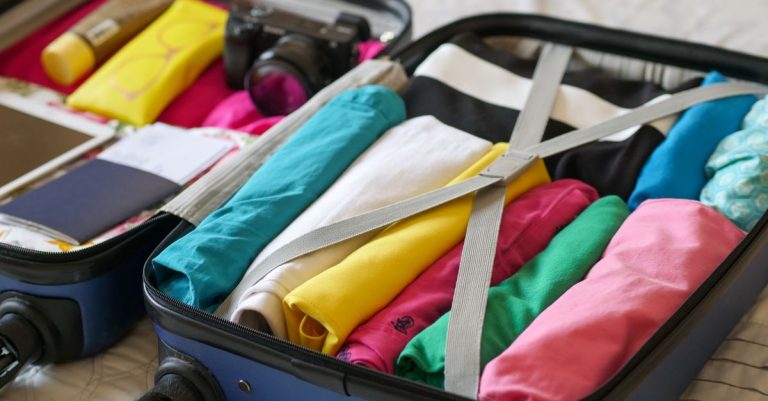
Common travel mistakes include overpacking, underestimating costs, ignoring travel insurance, planning too many activities in one day, and not checking local customs or transport options before arrival.
Frequently Asked Questions
How early should I plan a trip?
For international trips, planning several weeks or months ahead can help you find better prices and avoid last-minute stress.
How can I travel on a budget?
Choose affordable destinations, travel off-season, compare accommodation, use local transport, and plan a daily spending limit.
Is travel insurance necessary?
Travel insurance is often recommended, especially for international trips, medical emergencies, cancellations, or lost luggage.
Sources and Editorial Standards
HealthyLifeVibe travel articles are written for educational and planning purposes. References may include official tourism boards, government travel guidance, airline information, transport providers, and reputable travel safety resources when relevant.
Editorial Review
This article was reviewed by the HealthyLifeVibe Editorial Team for clarity, usefulness, and practical travel relevance. Travel details may change, so readers should confirm current rules before booking.
Related HealthyLifeVibe Guides
Why This Guide Is Useful
This guide is designed to give readers practical information they can understand and apply without feeling overwhelmed. The goal is to provide clear, realistic advice that supports better daily decisions.
How to Use This Advice
Start with one small step instead of trying to change everything at once. A simple habit repeated consistently is usually more effective than a complicated plan that is difficult to maintain.
Practical Example
For example, readers can choose one action from this guide and apply it for seven days. After that, they can review what worked, what felt difficult, and what should be adjusted. This makes the advice more realistic and personal.
Extra Tips for Better Results
- Keep your first step simple.
- Track progress weekly.
- Avoid unrealistic expectations.
- Adapt advice to your lifestyle.
- Ask a professional when personal guidance is needed.
Final Note
HealthyLifeVibe articles are created for educational purposes and reviewed for clarity, usefulness, and reader safety. The best results usually come from simple, consistent actions over time.
Step-by-Step Action Plan
A clear action plan makes this topic easier to apply. First, identify your current situation. Then choose one realistic improvement that does not require a complete lifestyle change. This helps readers avoid feeling overwhelmed and makes the advice more sustainable.
For the first week, focus on awareness. Notice your habits, choices, symptoms, schedule, budget, or planning style depending on the topic. Awareness helps you understand where small changes can create the biggest improvement.
How to Build a Routine Around This Topic
A good routine should be simple enough to repeat. If the routine is too complicated, it will be difficult to maintain. Start with the easiest version, then build slowly. For example, a wellness habit may begin with five minutes per day, while a travel habit may begin with one checklist before each trip.
Consistency is more important than intensity. A small action done regularly is usually more helpful than a big plan that is only followed once. This is especially important for readers who are busy, tired, stressed, or unsure where to begin.
What Readers Should Remember
- Start small and build slowly.
- Choose advice that matches your real life.
- Do not expect instant results.
- Use trusted sources when making important decisions.
- Review your progress and adjust when needed.
Common Questions Readers Ask
Can beginners follow this advice?
Yes. This guide is written for beginners and focuses on simple, realistic steps. Readers can start with one action and improve gradually.
What if I do not see results quickly?
Many useful habits need time. If progress is slow, reduce the difficulty, stay consistent, and review what may be blocking results.
Should I compare my progress with others?
No. Everyone has different needs, routines, health backgrounds, budgets, and responsibilities. Personal progress is more useful than comparison.
Reader Safety Note
This content is for general education. It should not replace professional medical, nutrition, fitness, mental health, legal, financial, or travel safety advice. When a topic affects your health, safety, or important decisions, check with a qualified professional or official source.