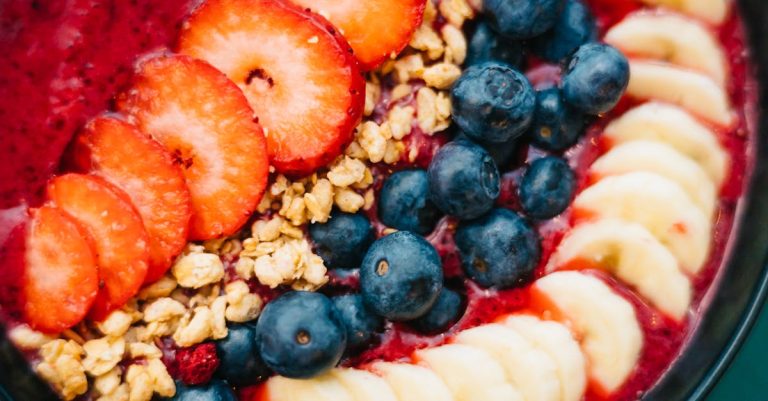
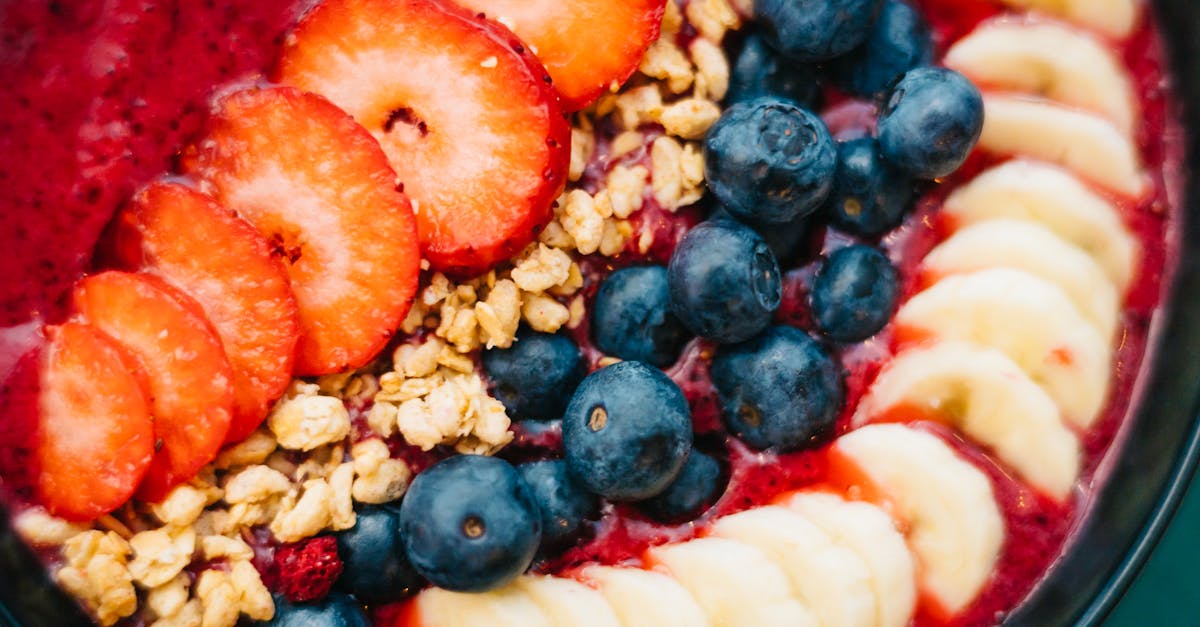
Vibrant smoothie bowl topped with fresh fruits and granola, perfect for a healthy start.

Healthy Breakfast Ideas for Energy and Weight Balance

This guide explains Healthy Breakfast Ideas for Energy and Weight Balance in a simple, practical way. The goal is to help readers make better food choices without extreme diets, confusion, or unrealistic restrictions.
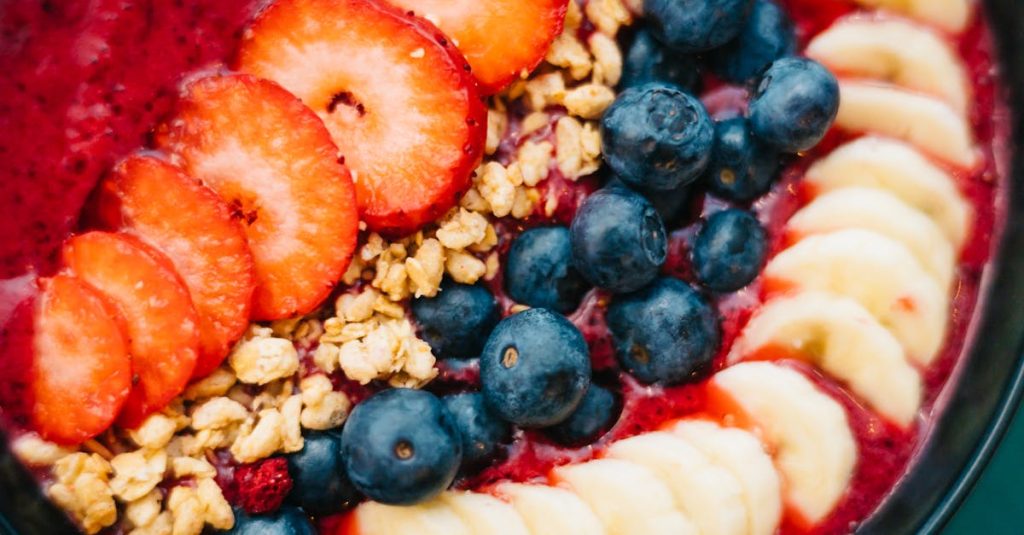
Vibrant smoothie bowl topped with fresh fruits and granola, perfect for a healthy start.

Key Takeaways

  • Choose whole, minimally processed foods when possible.
  • Protein and fiber help support fullness and steady energy.
  • Healthy eating should be realistic, flexible, and repeatable.
  • Small daily habits are more sustainable than strict dieting.
  • People with medical conditions should ask a qualified professional for personal advice.

Why This Topic Matters

Food choices affect energy, digestion, mood, weight balance, and long-term wellbeing. Many people search for quick fixes, but sustainable results usually come from simple routines that can be repeated over time.

A healthy diet should not feel like punishment. It should include foods that nourish your body, keep meals satisfying, and fit your lifestyle. This article focuses on practical choices instead of unrealistic rules.

Best Food Choices to Prioritize

  • Vegetables such as spinach, broccoli, carrots, peppers, and leafy greens.
  • Fruits such as berries, apples, oranges, bananas, and seasonal fruit.
  • Protein sources such as eggs, chicken, fish, Greek yogurt, beans, lentils, tofu, and lean meats.
  • Whole grains such as oats, brown rice, quinoa, whole-wheat bread, and barley.
  • Healthy fats such as olive oil, avocado, nuts, seeds, and fatty fish.

How to Build a Balanced Plate

A simple balanced plate includes protein, fiber-rich carbohydrates, vegetables, and a small amount of healthy fat. This combination helps meals feel satisfying and supports steady energy during the day.

For example, a balanced meal could include grilled chicken, brown rice, vegetables, and olive oil. A plant-based version could include lentils, quinoa, vegetables, and avocado.

Simple Meal Ideas

  • Oatmeal with berries, nuts, and Greek yogurt.
  • Eggs with whole-grain toast and vegetables.
  • Chicken salad with olive oil dressing.
  • Lentil soup with vegetables.
  • Greek yogurt with fruit and seeds.
  • Salmon with sweet potato and greens.
  • Bean bowl with rice, vegetables, and avocado.

Common Mistakes to Avoid

One common mistake is cutting out too many foods at once. This can make healthy eating difficult to maintain. Another mistake is focusing only on calories while ignoring food quality, protein, fiber, sleep, stress, and movement.

Frequently Asked Questions

Do I need to follow a strict diet?

No. Many people do better with flexible, balanced eating habits instead of strict diets.

Are healthy foods expensive?

Budget-friendly healthy foods include oats, eggs, beans, lentils, rice, seasonal vegetables, frozen vegetables, and canned fish.

How quickly will I see results?

Energy and digestion may improve sooner, while weight and body composition changes usually require consistency over time.


Sources and Editorial Standards

HealthyLifeVibe articles are written for educational purposes and reviewed for clarity, usefulness, and reader safety. General nutrition references may include the World Health Organization, CDC, NIH, and Mayo Clinic.

Editorial Review

This article was reviewed by the HealthyLifeVibe Editorial Team for clarity, structure, and general wellness accuracy. It does not replace personal medical or dietary advice.

Related HealthyLifeVibe Guides

Why This Guide Is Useful

This guide is designed to give readers practical information they can understand and apply without feeling overwhelmed. The goal is to provide clear, realistic advice that supports better daily decisions.

How to Use This Advice

Start with one small step instead of trying to change everything at once. A simple habit repeated consistently is usually more effective than a complicated plan that is difficult to maintain.

Practical Example

For example, readers can choose one action from this guide and apply it for seven days. After that, they can review what worked, what felt difficult, and what should be adjusted. This makes the advice more realistic and personal.

Extra Tips for Better Results

  • Keep your first step simple.
  • Track progress weekly.
  • Avoid unrealistic expectations.
  • Adapt advice to your lifestyle.
  • Ask a professional when personal guidance is needed.

Final Note

HealthyLifeVibe articles are created for educational purposes and reviewed for clarity, usefulness, and reader safety. The best results usually come from simple, consistent actions over time.

Step-by-Step Action Plan

A clear action plan makes this topic easier to apply. First, identify your current situation. Then choose one realistic improvement that does not require a complete lifestyle change. This helps readers avoid feeling overwhelmed and makes the advice more sustainable.

For the first week, focus on awareness. Notice your habits, choices, symptoms, schedule, budget, or planning style depending on the topic. Awareness helps you understand where small changes can create the biggest improvement.

How to Build a Routine Around This Topic

A good routine should be simple enough to repeat. If the routine is too complicated, it will be difficult to maintain. Start with the easiest version, then build slowly. For example, a wellness habit may begin with five minutes per day, while a travel habit may begin with one checklist before each trip.

Consistency is more important than intensity. A small action done regularly is usually more helpful than a big plan that is only followed once. This is especially important for readers who are busy, tired, stressed, or unsure where to begin.

What Readers Should Remember

  • Start small and build slowly.
  • Choose advice that matches your real life.
  • Do not expect instant results.
  • Use trusted sources when making important decisions.
  • Review your progress and adjust when needed.

Common Questions Readers Ask

Can beginners follow this advice?

Yes. This guide is written for beginners and focuses on simple, realistic steps. Readers can start with one action and improve gradually.

What if I do not see results quickly?

Many useful habits need time. If progress is slow, reduce the difficulty, stay consistent, and review what may be blocking results.

Should I compare my progress with others?

No. Everyone has different needs, routines, health backgrounds, budgets, and responsibilities. Personal progress is more useful than comparison.

Reader Safety Note

This content is for general education. It should not replace professional medical, nutrition, fitness, mental health, legal, financial, or travel safety advice. When a topic affects your health, safety, or important decisions, check with a qualified professional or official source.

Similar Posts