Why Am I Tired All The Time
This cornerstone guide covers Why Am I Tired All The Time with practical advice, expert-backed recommendations, and actionable tips designed for readers looking for trustworthy health and lifestyle information.
Overview
This article is part of the HealthyLifeVibe wellness knowledge base. Readers will learn key concepts, practical strategies, and common mistakes to avoid.
Benefits and Key Facts
- Evidence-based information.
- Beginner-friendly guidance.
- Practical lifestyle recommendations.
- Long-term sustainable habits.
- Trusted educational content.
Practical Recommendations
Focus on realistic improvements rather than extreme approaches. Sustainable progress usually comes from consistency, healthy routines, and informed decision-making.
Common Mistakes
- Expecting instant results.
- Ignoring fundamentals.
- Following unreliable online advice.
- Skipping long-term planning.
- Not tracking progress.
Frequently Asked Questions
Is this suitable for beginners?
Yes. The content is written to be understandable for beginners while remaining useful for experienced readers.
How long does it take to see results?
Results vary based on the individual, goals, and consistency of implementation.
Sources and References
- World Health Organization (WHO)
- Centers for Disease Control and Prevention (CDC)
- National Institutes of Health (NIH)
- Mayo Clinic
Editorial Review
Reviewed by the HealthyLifeVibe Editorial Team.
Why This Topic Gets So Much Attention
Many readers search for this topic because it connects directly to everyday health, energy, comfort, confidence, travel planning, or long-term lifestyle goals. A good answer should be clear, realistic, and useful without making exaggerated promises.
Step-by-Step Beginner Plan
- Understand your starting point before making changes.
- Choose one realistic goal connected to your lifestyle.
- Focus on simple habits that can be repeated daily or weekly.
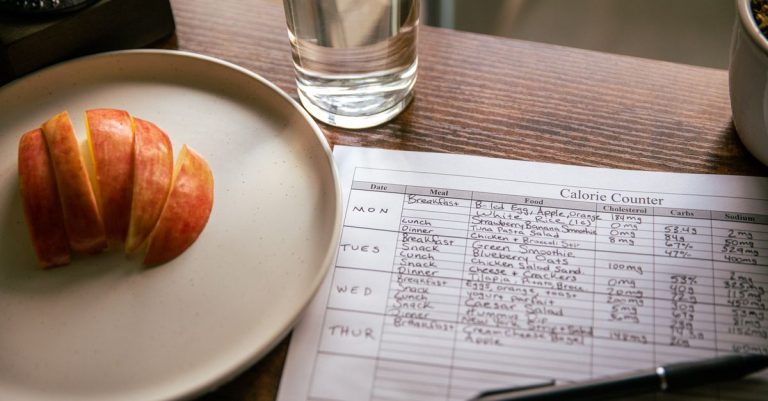
- Track progress using notes, a checklist, or a simple planner.
- Review results after two weeks and adjust the plan if needed.
Important Factors to Consider
The best approach depends on your personal situation. Age, activity level, sleep, stress, food choices, health history, budget, travel style, and daily schedule can all change what works best. This is why practical advice should be flexible rather than extreme.
Readers should also be careful with one-size-fits-all advice. A method that works well for one person may not be suitable for another. The safest strategy is to start small, stay consistent, and use trusted sources when making important health or travel decisions.
Practical Examples
A practical example for wellness topics is to choose one habit, such as improving breakfast quality, walking more often, drinking enough water, or improving bedtime routines. A practical example for travel topics is to compare prices, check official rules, prepare a realistic budget, and keep important documents organized.
Common Myths
- Myth: Fast results are always better.
- Myth: A strict plan is the only way to succeed.
- Myth: Everyone needs the same routine.
- Myth: More information always means better decisions.
- Myth: If a plan fails once, it cannot work.
How to Track Progress
Tracking does not need to be complicated. Write down what you tried, how consistent you were, and what changed. For health topics, this may include energy, sleep, digestion, mood, meals, or activity. For travel topics, this may include budget, comfort, transport, safety, and overall experience.
Related HealthyLifeVibe Guides
- Best Foods for Weight Loss
- High Protein Foods List
- How to Sleep Better Naturally
- Best Foods for Gut Health
- Travel Budget Planner
Final Thoughts
The most useful strategy is simple, realistic, and consistent. Start with one clear step, build gradually, and avoid extreme advice. HealthyLifeVibe aims to help readers make informed choices with practical guidance that supports everyday life.
Detailed Beginner Explanation
This topic is important because many people search for quick answers but often find confusing, incomplete, or exaggerated information. A better approach is to understand the basics first, then apply simple steps that fit real life. HealthyLifeVibe focuses on practical guidance that readers can actually use.
Before making changes, readers should think about their current habits, schedule, health background, budget, and goals. This helps create a plan that feels realistic instead of overwhelming. The most successful routines are usually simple, flexible, and consistent.
How to Apply This in Real Life
- Start with one clear goal.
- Write down your current routine or situation.
- Choose one small improvement for the next seven days.
- Track what changes and what feels difficult.
- Adjust the plan instead of stopping completely.
- Use trusted sources before making major decisions.
- Ask a qualified professional if the topic affects your health or safety.
What Makes This Approach Sustainable
Sustainable progress does not depend on perfection. It depends on repeating small actions often enough that they become easier over time. Readers should avoid extreme routines that create stress, guilt, or unrealistic expectations.
A good plan should support daily life instead of making it harder. For wellness topics, that may mean choosing balanced meals, better sleep habits, light movement, hydration, and stress control. For travel topics, that may mean planning a budget, checking official rules, comparing destinations, and leaving room for rest.
Signs You Are on the Right Track
- You can repeat the habit without too much pressure.
- Your plan feels realistic for your schedule.
- You understand why the advice matters.
- You are not depending on quick fixes.
- You are making steady improvements over time.
When to Be Extra Careful
Readers should be extra careful if they have ongoing symptoms, medical conditions, pregnancy, medication use, a history of disordered eating, severe fatigue, chronic pain, or major lifestyle changes. In these cases, general online information should not replace professional advice.
For travel-related decisions, readers should confirm updated information from official tourism boards, government travel advisories, airlines, accommodation providers, and insurance companies before booking.
Quick Summary
- Start simple.
- Stay consistent.
- Avoid extreme claims.
- Personalize the advice.
- Use trusted sources.
- Review progress weekly.
Practical Checklist Before You Start
- Clarify what you want to improve.
- Write down your current routine or situation.
- Choose advice that matches your real life.
- Avoid plans that feel too strict or unrealistic.
- Use this guide as education, not as a replacement for professional advice.
Expert-Style Tips for Better Results
One of the most effective ways to get better results is to remove confusion. Too much information can make people jump from one method to another without staying consistent. Choose a simple plan, follow it long enough to evaluate it, then adjust based on your results.
Another helpful strategy is to connect the new habit to something you already do. This is often called habit stacking. For example, you can review your plan after breakfast, prepare your checklist before bed, or track your progress every Sunday evening. Small routines like this make long-term consistency easier.
What to Avoid
Avoid advice that promises guaranteed results, instant transformation, or one perfect solution for everyone. Reliable guidance should explain benefits, limits, and safety considerations. Readers should be especially careful with extreme diets, aggressive supplement claims, unrealistic travel budgets, or advice that ignores personal health and safety.
How This Fits Into a Healthy Lifestyle
This topic works best when it is part of a balanced lifestyle. Good sleep, hydration, movement, stress management, nutritious meals, financial planning, and realistic expectations all matter. No single habit or destination can solve everything, but the right small changes can make daily life easier and more enjoyable.
Frequently Asked Questions
Can I use this guide as a beginner?
Yes. This guide is written for beginners and focuses on clear, practical steps. Start with one small action and build gradually.
How often should I review my progress?
A weekly review is usually enough. Look at what worked, what felt difficult, and what needs to be adjusted.
When should I ask for professional advice?
Ask for professional advice if the topic affects your health, safety, medication, medical conditions, travel risks, finances, or important personal decisions.
Conclusion
The best results come from simple, informed, and consistent action. Use this guide as a starting point, adapt it to your needs, and focus on steady progress instead of quick fixes.