Best Foods for Gut Health and Better Digestion
This guide explains Best Foods for Gut Health and Better Digestion in a simple, practical way. The goal is to help readers make better food choices without extreme diets, confusion, or unrealistic restrictions.
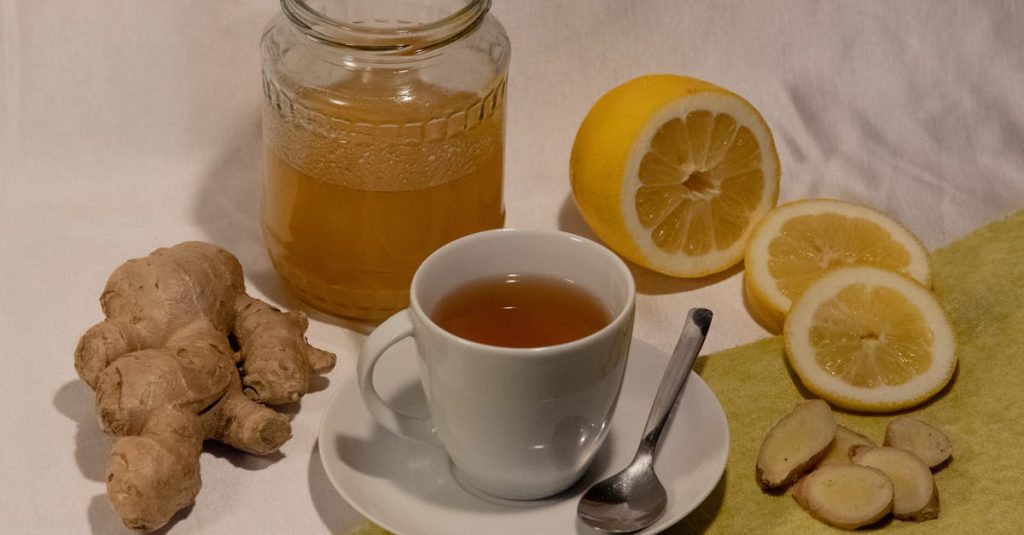
Best Food Choices to Prioritize
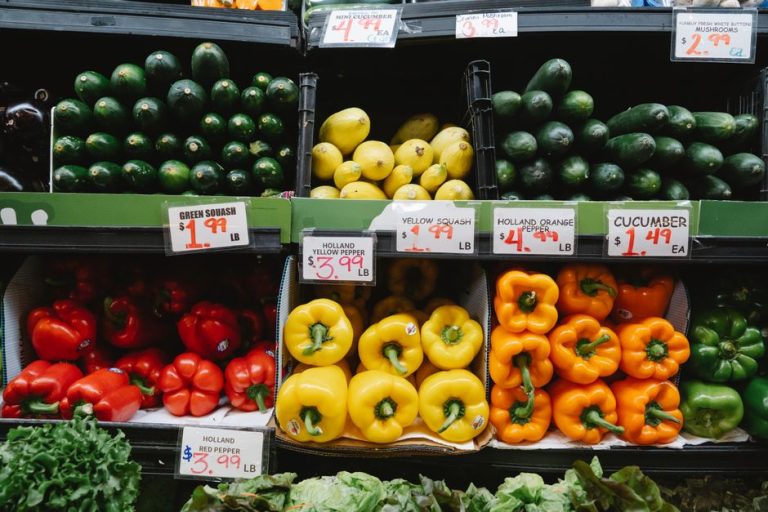
- Vegetables such as spinach, broccoli, carrots, peppers, and leafy greens.
- Fruits such as berries, apples, oranges, bananas, and seasonal fruit.
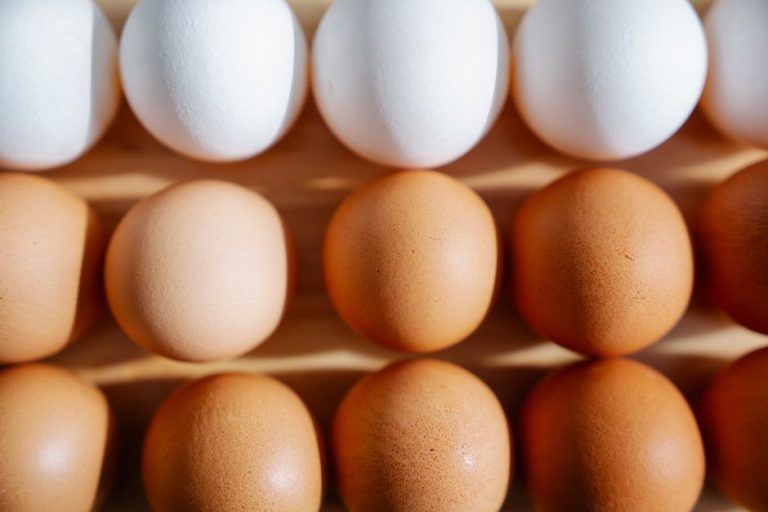
- Protein sources such as eggs, chicken, fish, Greek yogurt, beans, lentils, tofu, and lean meats.
- Whole grains such as oats, brown rice, quinoa, whole-wheat bread, and barley.
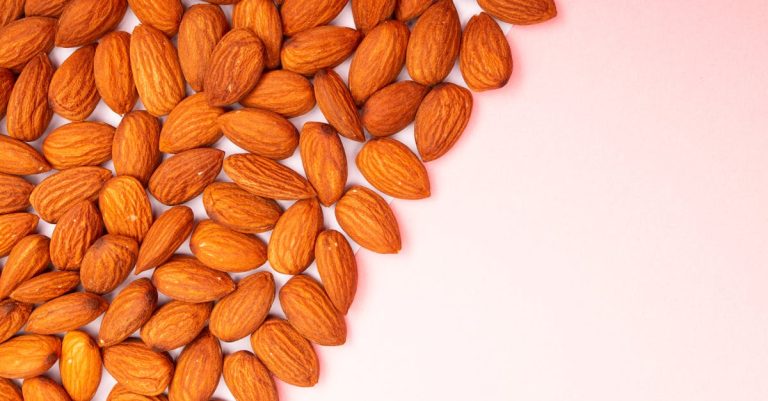
- Healthy fats such as olive oil, avocado, nuts, seeds, and fatty fish.
How to Build a Balanced Plate
A simple balanced plate includes protein, fiber-rich carbohydrates, vegetables, and a small amount of healthy fat. This combination helps meals feel satisfying and supports steady energy during the day.
For example, a balanced meal could include grilled chicken, brown rice, vegetables, and olive oil. A plant-based version could include lentils, quinoa, vegetables, and avocado.
Simple Meal Ideas
- Oatmeal with berries, nuts, and Greek yogurt.
- Eggs with whole-grain toast and vegetables.
- Chicken salad with olive oil dressing.
- Lentil soup with vegetables.
- Greek yogurt with fruit and seeds.
- Salmon with sweet potato and greens.
- Bean bowl with rice, vegetables, and avocado.
Do I need to follow a strict diet?
No. Many people do better with flexible, balanced eating habits instead of strict diets.
Are healthy foods expensive?
Budget-friendly healthy foods include oats, eggs, beans, lentils, rice, seasonal vegetables, frozen vegetables, and canned fish.
How quickly will I see results?
Energy and digestion may improve sooner, while weight and body composition changes usually require consistency over time.
Complete Beginner-Friendly Guide
This section expands the topic with practical, reader-focused advice. The goal is to help readers understand the subject clearly, avoid common mistakes, and apply simple steps in daily life. HealthyLifeVibe focuses on realistic wellness and travel guidance, not extreme promises or quick fixes.
Step-by-Step Practical Plan
- Start by understanding your current routine or situation.
- Choose one small improvement that is easy to repeat.
- Track progress for one to two weeks.
- Adjust based on your energy, schedule, budget, and personal needs.
- Focus on consistency instead of perfection.
Detailed Tips That Make This Easier
The best results usually come from simple habits repeated over time. Instead of trying to make a dramatic change overnight, choose habits that fit your lifestyle. For wellness topics, this may include hydration, balanced meals, walking, better sleep, stress management, and realistic planning. For travel topics, this may include budgeting, safety research, flexible packing, and checking updated travel rules before booking.
Readers should also compare advice with their own needs. A routine that works for one person may not be suitable for another. Health, age, schedule, budget, destination, food preferences, sleep patterns, and activity level all matter.
Helpful Example
A simple example is to choose one habit and repeat it daily. Someone trying to improve wellness could start with a balanced breakfast, a 20-minute walk, or a fixed bedtime. Someone planning travel could start with a written budget, a packing checklist, and a list of safety contacts. Small steps reduce stress and make the process easier to maintain.
When to Seek Professional Advice
This guide is for general educational purposes. For health concerns, ongoing symptoms, pregnancy, medication use, or medical conditions, readers should speak with a qualified healthcare professional. For travel concerns, readers should confirm details with official tourism, airline, insurance, or government sources before booking.
What is the best first step?
The best first step is to choose one realistic action that can be repeated consistently.
How long does it take to see progress?
Progress depends on the topic and the person. Many habits need several weeks of consistency before results become clear.
Is this advice suitable for everyone?
No general guide fits everyone. Readers should adapt advice to their personal needs and seek professional guidance when necessary.
Practical Checklist
- Define your main goal clearly.
- Choose one realistic action to start today.
- Remove one habit that creates stress or confusion.
- Use a simple weekly checklist to track progress.
- Review your results and adjust your plan.
How to Personalize This Advice
Every reader has a different routine, budget, health background, schedule, and comfort level. The best advice is the advice you can repeat. If a step feels too difficult, reduce it. If it feels too easy, build on it gradually. Personalization is what turns general information into a useful routine.
For health and wellness topics, personalization may include food preferences, sleep habits, activity level, stress level, and medical history. For travel topics, it may include destination, budget, safety needs, trip length, season, and travel style.
Beginner Mistakes That Reduce Results
Many beginners fail because they try to follow complicated advice. A simple routine repeated consistently usually works better than a perfect plan followed for only a few days. Another mistake is ignoring basic factors such as rest, hydration, planning, and realistic expectations.
Simple Weekly Plan
- Day 1: Review your current habits or travel plan.
- Day 2: Choose one small improvement.
- Day 3: Prepare what you need in advance.
- Day 4: Track how the change affects your day.
- Day 5: Adjust anything that feels unrealistic.
- Day 6: Repeat the habit without adding pressure.
- Day 7: Review what worked and what needs improvement.