Europe Packing List
Europe Packing List
Packing for Europe is easier when you focus on comfort, flexibility, and travel essentials instead of taking too much. Many European trips involve walking, public transport, stairs, changing weather, and moving between cities. A smart Europe packing list should help you stay comfortable without carrying a heavy bag.
Quick Answer
The most important things to pack for Europe are your passport, travel insurance, comfortable walking shoes, weather-appropriate clothing, phone charger, power adapter, medication, payment cards, and digital copies of important documents.
Europe Packing List Essentials
| Category | What to Pack | Why It Matters |
|---|---|---|
| Documents | Passport, visa if needed, bookings, insurance | Essential for travel and check-in |
| Money | Bank card, backup card, small cash | Useful for transport, cafés, and emergencies |
| Clothing | Layers, comfortable outfits, jacket | Weather can change by city and season |
| Shoes | Comfortable walking shoes | Most Europe trips include a lot of walking |
| Tech | Phone, charger, adapter, power bank | Needed for maps, tickets, and communication |
| Health | Medication, sunscreen, basic first aid | Prevents small issues from ruining the trip |
| Toiletries | Travel-size basics | Saves space and avoids heavy luggage |
Clothing to Pack for Europe
Choose clothes that can be mixed and matched. Neutral colors, light layers, and comfortable fabrics make packing easier. Instead of packing a different outfit for every day, choose pieces that work together. For most trips, a small capsule wardrobe is better than an overloaded suitcase.
Suggested Clothing List
- 4–6 tops depending on trip length.
- 2–3 bottoms such as jeans, trousers, skirts, or shorts.
- 1 light jacket or sweater.
- Comfortable sleepwear.
- Underwear and socks.
- One slightly nicer outfit for restaurants or evenings.
- Seasonal items such as a swimsuit, scarf, or warm coat.
Best Shoes for Europe
Comfortable shoes are one of the most important things to pack. Many cities have stone streets, hills, long museum days, train stations, and walking tours. Choose shoes that are already broken in. Do not bring brand-new shoes unless you are sure they will not cause discomfort.
Tech and Travel Accessories
- Phone charger.
- Universal or European power adapter.
- Power bank.
- Headphones.
- Small day bag.
- Reusable water bottle.
- Travel lock if needed.
- Offline maps downloaded before arrival.
Seasonal Europe Packing Tips
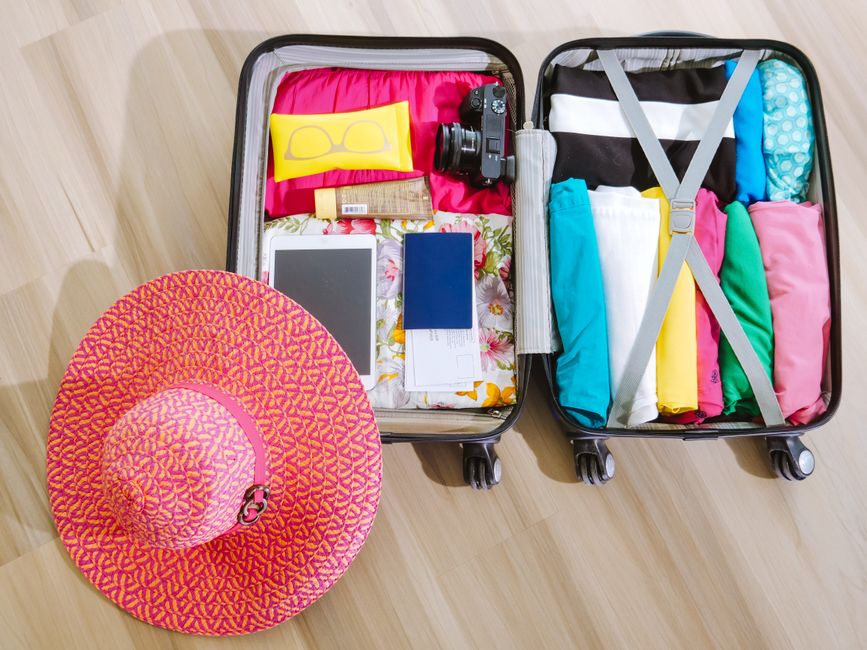
For summer, pack breathable clothes, sunscreen, sunglasses, a hat, and comfortable sandals or walking shoes. For winter, pack layers, a warm coat, waterproof shoes, gloves, and a scarf. For spring and autumn, prepare for mixed weather with a light jacket, umbrella, and flexible outfits.
What Not to Pack
- Too many shoes.
- Full-size toiletries.
- Heavy clothes you will only wear once.
- Expensive jewelry that creates stress.
- Too many gadgets.
- Large bags that are hard to carry on stairs or trains.
Packing Tips for Budget Travel
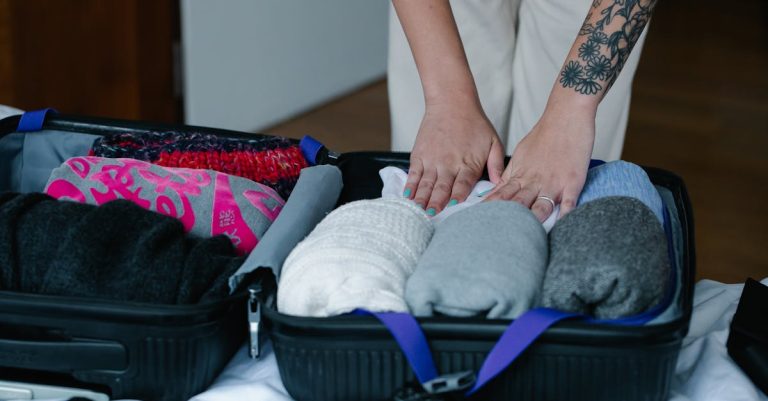
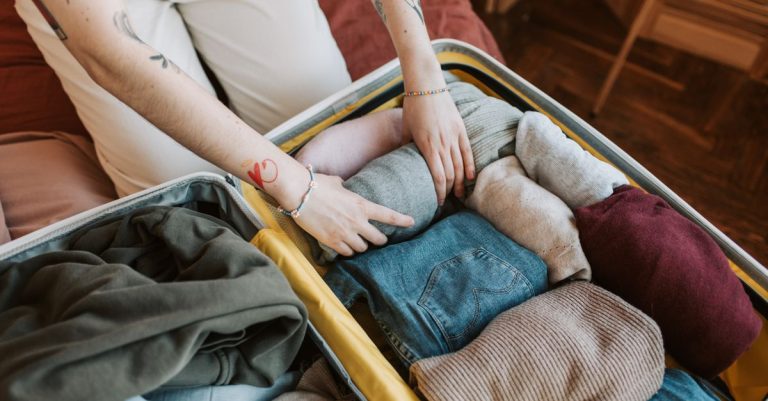
If you travel with a low-cost airline, check baggage rules before packing. Cabin bag sizes can be strict. Wearing your heaviest items on travel days and using packing cubes can help save space. Laundry during the trip is often easier than packing too much.
Related HealthyLifeVibe Guides
- Travel Budget Planner
- Best Places to Visit in Portugal
- Best Places to Visit in Spain
- Portugal Travel Cost Guide
- Spain vs Portugal Cost of Living
FAQ
Should I bring a suitcase or backpack to Europe?
Both can work. A suitcase is comfortable for city trips and hotels, while a backpack may be easier for multi-city trips with stairs, trains, and short stays.
Do I need a power adapter for Europe?
Most travelers from outside Europe need a power adapter. Check the plug type used in the countries you plan to visit.
How can I pack light for Europe?
Choose versatile clothes, limit shoes, use travel-size toiletries, and plan to do laundry if the trip is longer than one week.
What should I keep in my day bag?
Keep your phone, wallet, water, charger, documents, medication, and any daily essentials in your day bag.
Editorial note: Always check airline baggage rules, weather, and destination requirements before packing.
Europe Packing Checklist Before Departure
Before leaving for the airport, verify that you have your passport, payment cards, travel insurance, accommodation confirmations, transportation bookings, charger, adapter, medication, and emergency contact information. Having digital copies stored securely online can be helpful if documents are lost.
Carry-On Bag Essentials
- Passport and travel documents.
- Phone and charger.
- Power bank.
- Wallet and payment cards.
- Medication and prescriptions.
- Reusable water bottle.
- Light sweater or jacket.
- Headphones and entertainment.
Common Packing Mistakes
Many travelers pack too many clothes and not enough practical items. Comfortable shoes, travel documents, chargers, and weather-appropriate clothing are usually more important than extra outfits. Packing lighter often makes moving between hotels, trains, and airports much easier.
Final Thoughts
A successful Europe trip does not require a large suitcase. Careful planning, versatile clothing, and a focus on essentials can help you travel comfortably while avoiding unnecessary baggage fees and travel stress.
Practical Daily Tips
This guide is designed to help readers make simple, realistic choices without confusion. The best approach is usually not extreme. Small habits repeated consistently often create better long-term results than short periods of strict rules. Start with one or two changes, observe how your body and lifestyle respond, and then build from there.
Common Mistakes to Avoid
- Trying to change everything at once.
- Following advice without checking if it fits your situation.
- Ignoring sleep, stress, hydration, and daily routine.
- Expecting instant results from one habit or one food.
- Using online information as a replacement for professional advice.
Simple Weekly Checklist
| Area | Goal |
|---|---|
| Planning | Choose one clear habit to improve this week. |
| Nutrition | Focus on whole foods, enough protein, fiber, and water. |
| Movement | Add walking or light activity most days. |
| Sleep | Keep a regular bedtime and reduce screens before bed. |
| Review | Check what worked and adjust without guilt. |
When to Get Professional Advice
If you have a medical condition, take medication, are pregnant, have persistent symptoms, or feel unsure about what is safe for you, speak with a qualified healthcare professional. Online guides can help with general education, but personal advice should come from a professional who understands your health history.
Final Takeaway
The most useful strategy is to keep things simple, consistent, and realistic. Focus on habits you can repeat, not perfect plans that are difficult to maintain. Over time, better daily choices can support energy, health, confidence, and overall wellbeing.
Last reviewed by HealthyLifeVibe Editorial Team: June 2026. This article is for informational purposes only and does not replace professional medical advice.