
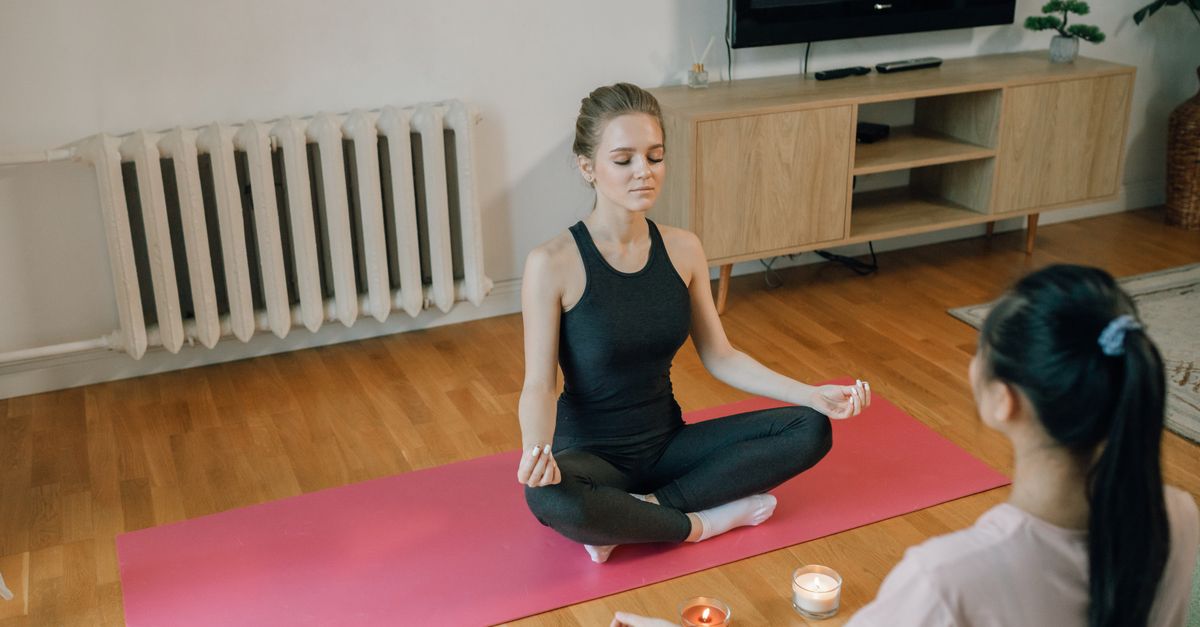
Mindfulness for Beginners: A Practical Guide
Introduction
Mindfulness is a simple practice that helps you pay attention to the present moment. For beginners, it can feel confusing because many people think mindfulness means being calm all the time or never having negative thoughts. In reality, mindfulness means noticing what is happening right now with more awareness and less automatic reaction.
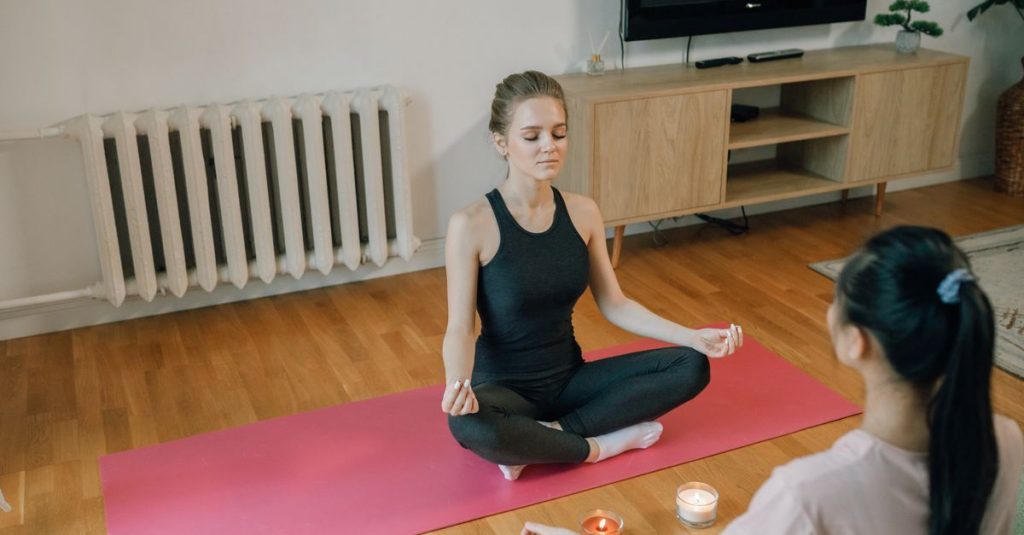
You can practice mindfulness while sitting quietly, walking, eating, working, or even washing dishes. It is not limited to meditation. It is a way of bringing more attention to daily life.
This beginner-friendly guide explains what mindfulness is, why it matters, and how to start practicing it in a realistic way.
What Is Mindfulness?
Mindfulness means being aware of your thoughts, emotions, body, and surroundings in the present moment. Instead of living on autopilot, you slow down and notice what is happening.
For example, when you drink a cup of tea mindfully, you notice the warmth of the cup, the smell, the taste, and the feeling of taking a quiet pause. When you walk mindfully, you notice your steps, breathing, posture, and the environment around you.
Mindfulness does not mean forcing yourself to feel peaceful. It means observing your experience honestly without judging it too quickly.
Why Mindfulness Matters
Many people spend much of the day thinking about the past or worrying about the future. This can increase stress and make it harder to enjoy simple moments. Mindfulness helps bring attention back to the present.
When practiced regularly, mindfulness may support calmer thinking, better focus, emotional awareness, and healthier daily choices. It can also help you notice habits that no longer serve you.
1. Mindfulness Helps You Slow Down
Modern life often pushes people to move quickly. Notifications, responsibilities, and pressure can make the mind feel busy. Mindfulness creates a pause. That pause gives you time to breathe, observe, and respond more carefully.
Even one mindful minute can help you feel more grounded. You can stop, take a slow breath, relax your shoulders, and notice what you are feeling before continuing your day.
2. Mindfulness Supports Emotional Awareness
Emotions can influence decisions before we even realize it. Mindfulness helps you notice emotions as they appear. You might recognize tension, frustration, sadness, or worry earlier than usual.
This awareness does not remove emotions, but it can reduce automatic reactions. Instead of saying something quickly when upset, you may pause and choose a calmer response.
3. Mindfulness Can Improve Focus
Mindfulness trains attention. When you practice focusing on one activity, such as breathing or walking, you strengthen your ability to stay present.
This can help with work, studying, reading, and conversations. When your attention wanders, you gently bring it back. That simple return is the practice.
4. Mindfulness Can Make Eating Healthier
Mindful eating means paying attention to food instead of eating quickly or distractedly. You notice taste, texture, hunger, fullness, and satisfaction.
This can help you enjoy food more and recognize when you are eating from stress, boredom, or habit. Mindful eating is not about strict dieting. It is about awareness and balance.
5. Mindfulness Can Support Better Relationships
Mindfulness can improve how you listen and communicate. When you are present during a conversation, you are less likely to interrupt, judge, or plan your response too quickly.
Mindful listening helps others feel heard. It can also help you understand your own reactions during difficult conversations.
How to Practice Mindfulness as a Beginner
Start small. You do not need a perfect routine. Choose one simple practice and repeat it daily.
One-minute breathing practice
- Sit or stand comfortably.
- Take one slow breath in.
- Exhale slowly.
- Notice the feeling of breathing.
- If your mind wanders, gently return to the breath.
This can be done before work, before studying, before meals, or whenever you feel overwhelmed.
Mindful walking
Walk slowly and notice each step. Pay attention to your feet touching the ground, your breathing, and the movement of your body. You can do this for two minutes indoors or outdoors.
Mindful eating
Choose one meal or snack each day to eat without distractions. Put your phone away, chew slowly, and notice the taste and texture of the food.
Mindful journaling
Write three sentences about how you feel, what you noticed today, and one thing you are grateful for. This helps build self-awareness.
Common Mistakes Beginners Make
The first mistake is trying to be mindful all day immediately. This can feel impossible. Start with one or two small moments.
The second mistake is judging yourself when your mind wanders. Wandering is normal. Mindfulness begins when you notice it.
The third mistake is using mindfulness to avoid problems. Mindfulness helps you see reality more clearly, not ignore it.
The fourth mistake is expecting instant peace. Some practices may feel calm, while others may feel restless. Both are normal.
A Simple 7-Day Mindfulness Plan
- Day 1: Practice one minute of breathing.
- Day 2: Eat one snack without distractions.
- Day 3: Take a mindful five-minute walk.
- Day 4: Notice your emotions before replying to a message.
- Day 5: Write three mindful journal sentences.
- Day 6: Practice mindful listening during one conversation.
- Day 7: Reflect on which practice felt most useful.
How Mindfulness and Meditation Work Together
Meditation is one way to practice mindfulness, but mindfulness can continue outside meditation. For example, you may meditate for five minutes in the morning and then practice mindful eating at lunch or mindful listening later in the day.
If you already started daily meditation, mindfulness can help you bring that calm attention into real life.
Final Thoughts
Mindfulness is a practical skill for everyday life. It helps you slow down, notice your thoughts and emotions, focus better, and make more conscious choices. Beginners should start small and stay consistent.
You do not need to be perfect. One mindful breath, one mindful meal, or one mindful walk can be a meaningful start.
Disclaimer: This article is for educational purposes only and does not replace professional medical or mental health advice.
Mindfulness in Daily Life
One of the best things about mindfulness is that it can fit into normal daily activities. You do not need to pause your whole life to become more mindful. Instead, you can bring more attention to small moments that already exist in your day.
For example, when you wake up, you can take three slow breaths before checking your phone. When you brush your teeth, you can notice the movement of your hand, the taste of the toothpaste, and the feeling of standing still. When you walk from one room to another, you can notice your steps instead of thinking about ten different tasks at once.
These small moments may seem simple, but they train your attention. Over time, mindfulness becomes less like a separate exercise and more like a natural way of living.
Mindfulness for Stressful Moments
Mindfulness can be especially helpful during stressful moments. When stress appears, many people react automatically. They may speak too quickly, scroll on their phone, eat without hunger, or avoid the problem. Mindfulness helps you pause long enough to notice what is happening.
A simple technique is called the pause-and-breathe method. When you feel stress rising, stop for a moment. Take one slow breath in and one slow breath out. Notice what you feel in your body. Ask yourself: “What do I need right now?” This question can help you respond with more care.
Sometimes the answer is rest. Sometimes it is a glass of water, a short walk, a clear conversation, or writing down what is bothering you. Mindfulness does not remove every challenge, but it helps you meet challenges with more awareness.
Mindfulness and Physical Health Habits
Mindfulness can also support physical wellness habits. When you are more aware of your body, you may notice signs of fatigue, hunger, thirst, tension, or restlessness earlier. This can help you make better choices before discomfort becomes stronger.
For example, you may notice that you feel tired after sitting for several hours, so you take a short walk. You may notice that you are thirsty, so you drink water. You may notice that your shoulders are tense, so you stretch gently.
These small choices can support a healthier lifestyle. Mindfulness works best when it leads to practical action.
Mindfulness at Work or School
Work and school can create pressure, deadlines, and distractions. Mindfulness can help you return to one task at a time. Before starting a task, take ten seconds to breathe and decide what you will focus on. This can reduce scattered thinking.
You can also use mindful breaks. Instead of using every break to scroll through social media, take one minute to breathe, stand up, or look away from the screen. This gives your mind a chance to reset.
During study or work sessions, mindfulness helps you notice when your attention has drifted. When that happens, gently bring your focus back instead of criticizing yourself.
Mindfulness Before Sleep
A calm evening routine can help prepare your body and mind for rest. Mindfulness before sleep can be very simple. Turn off unnecessary screens, sit or lie down comfortably, and pay attention to your breathing for a few minutes.
You can also do a body scan. Start by noticing your feet, then your legs, stomach, shoulders, arms, and face. Relax each area gently. If thoughts appear, acknowledge them and return to the body.
This practice is not a cure for serious sleep problems, but it can help create a calmer transition into bedtime.
Frequently Asked Questions About Mindfulness
Is mindfulness the same as meditation?
Not exactly. Meditation is a formal practice, usually done while sitting quietly. Mindfulness is broader. You can practice mindfulness during meditation, but you can also practice it while eating, walking, working, or speaking with someone.
How long does mindfulness take to work?
Some people feel calmer after one short practice, but deeper benefits usually come with consistency. Practicing a few minutes daily for several weeks is better than practicing once and expecting a major change.
Can mindfulness help with anxiety?
Mindfulness may help some people manage anxious thoughts by creating more awareness and calm. However, it should not replace professional mental health care. If anxiety is frequent, intense, or affecting daily life, it is best to speak with a qualified professional.
What if I feel uncomfortable when I slow down?
Some beginners feel uncomfortable because slowing down makes them notice thoughts or emotions they usually avoid. Start gently. Use short practices and stop if you feel overwhelmed. Professional support can help if difficult emotions feel too strong.
Simple Mindfulness Checklist
- Start with one minute per day.
- Focus on breathing, walking, eating, or listening.
- Do not judge yourself when your mind wanders.
- Use mindfulness during stressful moments.
- Practice consistently instead of perfectly.
- Connect mindfulness with healthy daily habits.
Related HealthyLifeVibe Reads
If you want to continue building a calmer lifestyle, read our guide on the benefits of daily meditation for beginners. You can also explore upcoming guides about walking for mental health, stress management, and digital detox habits.