
Best Foods for Better Sleep
Best Foods for Better Sleep is a practical guide for readers who want better rest, more energy, and healthier daily routines. Sleep affects focus, mood, metabolism, recovery, and overall wellbeing.

Key Takeaways
- Sleep quality matters as much as sleep duration.
- Consistent routines can support better rest.
- Food, stress, screens, and caffeine can affect sleep.
- Small bedtime changes can make a noticeable difference.
- Persistent sleep problems should be discussed with a healthcare professional.
Why Sleep Matters
Sleep gives the body and brain time to recover. Poor sleep can affect concentration, mood, appetite, immune function, and daily performance. Building better sleep habits is one of the simplest ways to support long-term health.
Practical Tips
- Keep a consistent bedtime and wake-up time.
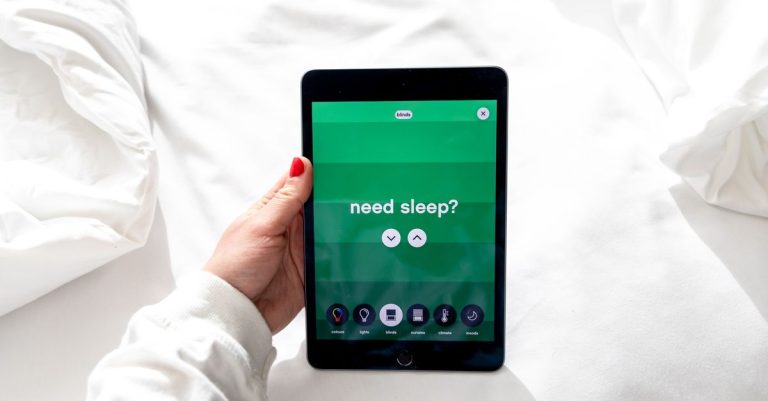
- Reduce screens before bed.
- Avoid heavy meals late at night.
- Limit caffeine in the afternoon and evening.
- Create a calm bedroom environment.
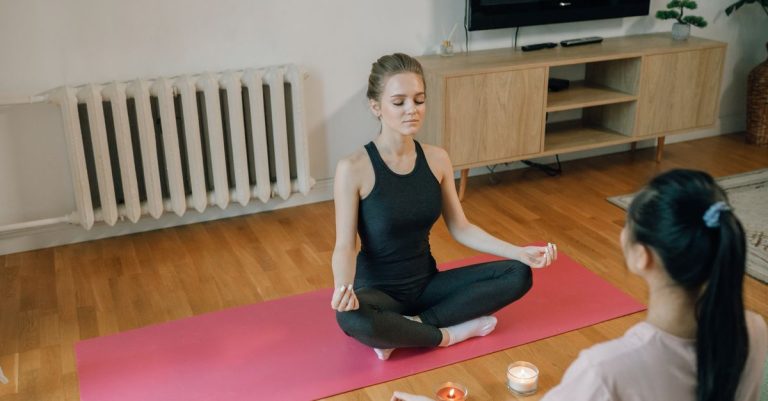
- Use relaxing habits such as reading, stretching, or deep breathing.
Common Mistakes to Avoid
Common sleep mistakes include using the phone in bed, drinking caffeine too late, irregular sleep schedules, and trying to solve tiredness only with more coffee instead of improving rest habits.
Frequently Asked Questions
How long does it take to improve sleep?
Some people notice changes within a few nights, while others need several weeks of consistent habits.
Should I avoid screens before bed?
Reducing screens before bed can help the mind relax and may support better sleep quality.
When should I seek help?
If sleep problems continue, affect daily life, or come with other symptoms, speak with a qualified healthcare professional.
Sources and Editorial Standards
HealthyLifeVibe articles are written for educational purposes and reviewed for clarity and usefulness. References may include the Sleep Foundation, CDC, NIH, WHO, and Mayo Clinic.
Editorial Review
This article was reviewed by the HealthyLifeVibe Editorial Team for clarity, structure, and general wellness accuracy.
Related HealthyLifeVibe Guides
Why This Guide Is Useful
This guide is designed to give readers practical information they can understand and apply without feeling overwhelmed. The goal is to provide clear, realistic advice that supports better daily decisions.
How to Use This Advice
Start with one small step instead of trying to change everything at once. A simple habit repeated consistently is usually more effective than a complicated plan that is difficult to maintain.
Practical Example
For example, readers can choose one action from this guide and apply it for seven days. After that, they can review what worked, what felt difficult, and what should be adjusted. This makes the advice more realistic and personal.
Extra Tips for Better Results
- Keep your first step simple.
- Track progress weekly.
- Avoid unrealistic expectations.
- Adapt advice to your lifestyle.
- Ask a professional when personal guidance is needed.
Final Note
HealthyLifeVibe articles are created for educational purposes and reviewed for clarity, usefulness, and reader safety. The best results usually come from simple, consistent actions over time.
Step-by-Step Action Plan
A clear action plan makes this topic easier to apply. First, identify your current situation. Then choose one realistic improvement that does not require a complete lifestyle change. This helps readers avoid feeling overwhelmed and makes the advice more sustainable.
For the first week, focus on awareness. Notice your habits, choices, symptoms, schedule, budget, or planning style depending on the topic. Awareness helps you understand where small changes can create the biggest improvement.
How to Build a Routine Around This Topic
A good routine should be simple enough to repeat. If the routine is too complicated, it will be difficult to maintain. Start with the easiest version, then build slowly. For example, a wellness habit may begin with five minutes per day, while a travel habit may begin with one checklist before each trip.
Consistency is more important than intensity. A small action done regularly is usually more helpful than a big plan that is only followed once. This is especially important for readers who are busy, tired, stressed, or unsure where to begin.
What Readers Should Remember
- Start small and build slowly.
- Choose advice that matches your real life.
- Do not expect instant results.
- Use trusted sources when making important decisions.
- Review your progress and adjust when needed.
Common Questions Readers Ask
Can beginners follow this advice?
Yes. This guide is written for beginners and focuses on simple, realistic steps. Readers can start with one action and improve gradually.
What if I do not see results quickly?
Many useful habits need time. If progress is slow, reduce the difficulty, stay consistent, and review what may be blocking results.
Should I compare my progress with others?
No. Everyone has different needs, routines, health backgrounds, budgets, and responsibilities. Personal progress is more useful than comparison.
Reader Safety Note
This content is for general education. It should not replace professional medical, nutrition, fitness, mental health, legal, financial, or travel safety advice. When a topic affects your health, safety, or important decisions, check with a qualified professional or official source.