Vitamin D Deficiency Symptoms (2026 Guide)
Vitamin D Deficiency Symptoms
Vitamin D plays an important role in bone health, immune function, muscle function, and overall wellbeing. A deficiency can develop when the body does not get enough vitamin D from sunlight, food, or supplements when medically recommended.
Quick Answer
Possible vitamin D deficiency symptoms may include tiredness, muscle weakness, bone discomfort, low mood, frequent illness, and general fatigue. These symptoms can have many causes, so a blood test and professional advice are important.
Common Symptoms
| Symptom | What It May Feel Like | Important Note |
|---|---|---|
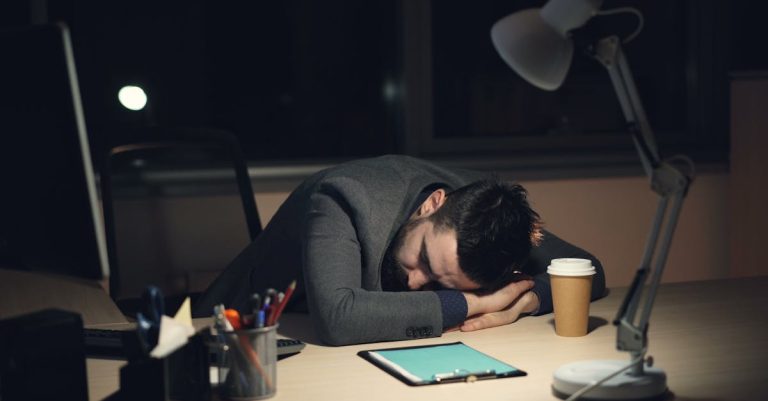
| Fatigue | Feeling tired even after rest | Can also be caused by sleep, stress, anemia, thyroid issues, and more |
| Muscle weakness | Low strength or heavy-feeling muscles | Needs proper medical evaluation if persistent |
| Bone discomfort | Aches or tenderness | Do not self-diagnose based on pain alone |
| Low mood | Reduced motivation or mood changes | Mood symptoms can have many causes |
| Frequent illness | Getting sick often | Immune health depends on many factors |
Who Is More at Risk?
- People with limited sun exposure.
- People who spend most of the day indoors.
- Older adults.
- People with darker skin tones.
- People who cover most skin outdoors.
- People with certain digestive or medical conditions.
Vitamin D Foods
Food can support vitamin D intake, although it may not be enough for everyone. Helpful foods include salmon, sardines, tuna, egg yolks, fortified milk, fortified yogurt, fortified cereals, and UV-exposed mushrooms.
Testing and Treatment
The best way to confirm low vitamin D is through a blood test. If levels are low, a healthcare professional can recommend an appropriate plan. Do not take high-dose supplements without guidance.
Related HealthyLifeVibe Guides
- Foods Rich in Vitamin D
- Top 20 Foods Rich in Vitamin D
- Why Am I Tired All The Time
- Healthy Grocery List on a Budget
- Best Foods for Heart Health
FAQ
How do I know if I am vitamin D deficient?
A blood test is the most reliable way to know. Symptoms alone are not enough for diagnosis.
Can vitamin D deficiency make you tired?
Low vitamin D may be linked with fatigue, but tiredness can also come from many other causes.
Can food fix vitamin D deficiency?
Food may help, but some people need medical guidance and supplementation.
Editorial note: This content is educational and does not replace medical advice.
Practical Daily Tips
This guide is designed to help readers make simple, realistic choices without confusion. The best approach is usually not extreme. Small habits repeated consistently often create better long-term results than short periods of strict rules. Start with one or two changes, observe how your body and lifestyle respond, and then build from there.
Common Mistakes to Avoid
- Trying to change everything at once.
- Following advice without checking if it fits your situation.
- Ignoring sleep, stress, hydration, and daily routine.
- Expecting instant results from one habit or one food.
- Using online information as a replacement for professional advice.
Simple Weekly Checklist
| Area | Goal |
|---|---|
| Planning | Choose one clear habit to improve this week. |
| Nutrition | Focus on whole foods, enough protein, fiber, and water. |
| Movement | Add walking or light activity most days. |
| Sleep | Keep a regular bedtime and reduce screens before bed. |
| Review | Check what worked and adjust without guilt. |
When to Get Professional Advice
If you have a medical condition, take medication, are pregnant, have persistent symptoms, or feel unsure about what is safe for you, speak with a qualified healthcare professional. Online guides can help with general education, but personal advice should come from a professional who understands your health history.
Final Takeaway
The most useful strategy is to keep things simple, consistent, and realistic. Focus on habits you can repeat, not perfect plans that are difficult to maintain. Over time, better daily choices can support energy, health, confidence, and overall wellbeing.
Extra Practical Guidance
For best results, readers should apply this information gradually and connect it with their daily routine. A useful approach is to start with one simple action, repeat it for one week, and then improve the plan based on energy, budget, time, and personal needs.
Healthy habits are easier to maintain when they are simple, flexible, and realistic. Instead of looking for a perfect plan, focus on consistency, basic preparation, and small improvements that can be repeated over time.
Reader Action Plan
- Choose one habit from this guide.
- Apply it for seven days.
- Track what feels easier or harder.
- Adjust the habit instead of quitting.
- Repeat the process weekly.
Important Reminder
This content is for general education. People with medical conditions, special diets, medication, pregnancy, or ongoing symptoms should speak with a qualified professional before making major lifestyle changes.
Last reviewed by HealthyLifeVibe Editorial Team: June 2026. This article is for informational purposes only and does not replace professional medical advice.