Foods That Lower Cholesterol
Foods That Lower Cholesterol
Food choices can support healthier cholesterol levels, especially when combined with movement, sleep, weight management, and medical guidance when needed. The best approach is a consistent heart-friendly eating pattern rather than relying on one single food.
Quick Answer
Foods that may help lower cholesterol include oats, barley, beans, lentils, nuts, olive oil, fatty fish, apples, berries, vegetables, and foods rich in soluble fiber.
Cholesterol-Friendly Foods
| Food | Why It Helps | How to Use |
|---|---|---|
| Oats | Contain soluble fiber. | Oatmeal breakfast. |
| Beans | Fiber and plant protein. | Soups and salads. |
| Nuts | Healthy fats. | Small handful snack. |
| Olive oil | Replaces less healthy fats. | Salads and cooking. |
| Fatty fish | Provides omega-3 fats. | Salmon or sardines. |
Foods to Limit
It may help to limit processed meats, frequent fried foods, pastries, sugary snacks, and ultra-processed meals. Small changes repeated consistently are usually more realistic than strict perfection.
Daily Meal Ideas
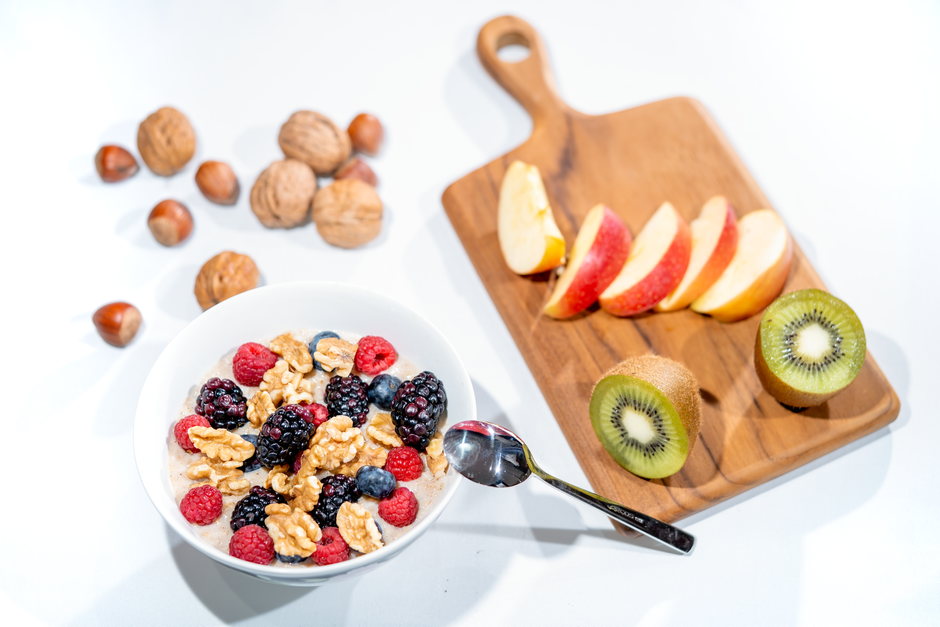
- Breakfast: oats with berries and nuts.
- Lunch: bean soup with vegetables.
- Dinner: fish with potatoes and salad.
- Snack: apple with yogurt or nuts.
Why Fiber Matters
Soluble fiber is especially important for cholesterol support. Oats, beans, lentils, apples, citrus fruits, and barley are useful choices. Adding these foods slowly can also support digestion and fullness.
Related HealthyLifeVibe Guides
- Best Foods for High Cholesterol
- Best Foods for Heart Health
- Foods High in Fiber
- Mediterranean Diet Meal Plan
- Healthy Grocery List on a Budget
FAQ
What is the best food to lower cholesterol?
Oats, beans, nuts, olive oil, fatty fish, fruit, and vegetables are useful choices.
Can diet lower cholesterol fast?
Diet can help, but results vary and may take weeks or months.
Should I stop medication?
No. Never stop prescribed medication without speaking to your healthcare provider.
Editorial note: This article is educational and does not replace medical advice.
Practical Daily Tips
This guide is designed to help readers make simple, realistic choices without confusion. The best approach is usually not extreme. Small habits repeated consistently often create better long-term results than short periods of strict rules. Start with one or two changes, observe how your body and lifestyle respond, and then build from there.
Common Mistakes to Avoid
- Trying to change everything at once.
- Following advice without checking if it fits your situation.
- Ignoring sleep, stress, hydration, and daily routine.
- Expecting instant results from one habit or one food.
- Using online information as a replacement for professional advice.
Simple Weekly Checklist
| Area | Goal |
|---|---|
| Planning | Choose one clear habit to improve this week. |
| Nutrition | Focus on whole foods, enough protein, fiber, and water. |
| Movement | Add walking or light activity most days. |
| Sleep | Keep a regular bedtime and reduce screens before bed. |
| Review | Check what worked and adjust without guilt. |
When to Get Professional Advice
If you have a medical condition, take medication, are pregnant, have persistent symptoms, or feel unsure about what is safe for you, speak with a qualified healthcare professional. Online guides can help with general education, but personal advice should come from a professional who understands your health history.
Final Takeaway
The most useful strategy is to keep things simple, consistent, and realistic. Focus on habits you can repeat, not perfect plans that are difficult to maintain. Over time, better daily choices can support energy, health, confidence, and overall wellbeing.
Extra Practical Guidance
For best results, readers should apply this information gradually and connect it with their daily routine. A useful approach is to start with one simple action, repeat it for one week, and then improve the plan based on energy, budget, time, and personal needs.
Healthy habits are easier to maintain when they are simple, flexible, and realistic. Instead of looking for a perfect plan, focus on consistency, basic preparation, and small improvements that can be repeated over time.
Reader Action Plan
- Choose one habit from this guide.
- Apply it for seven days.
- Track what feels easier or harder.
- Adjust the habit instead of quitting.
- Repeat the process weekly.
Important Reminder
This content is for general education. People with medical conditions, special diets, medication, pregnancy, or ongoing symptoms should speak with a qualified professional before making major lifestyle changes.
Last reviewed by HealthyLifeVibe Editorial Team: June 2026. This article is for informational purposes only and does not replace professional medical advice.