High Protein Foods List
High Protein Foods List
Protein is an important nutrient for daily health, energy, muscle maintenance, recovery, and appetite control. A good high-protein diet does not need to be complicated. The best approach is to include a quality protein source at most meals and combine it with fiber-rich carbohydrates, vegetables, and healthy fats.
Why Protein Matters
Protein helps the body build and repair tissues. It also supports enzymes, hormones, immune function, and muscle maintenance. For people trying to lose weight, protein can help with fullness, which may make it easier to control snacking and build balanced meals.
Best High Protein Foods
| Food | Type | Best Use |
|---|---|---|
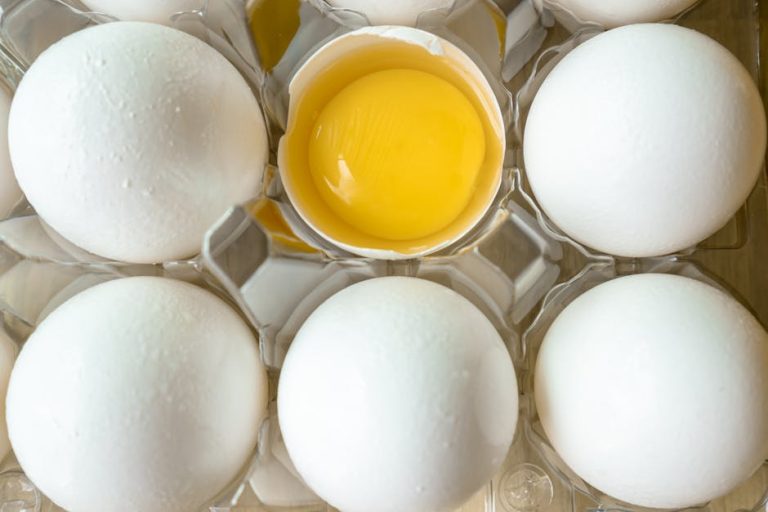
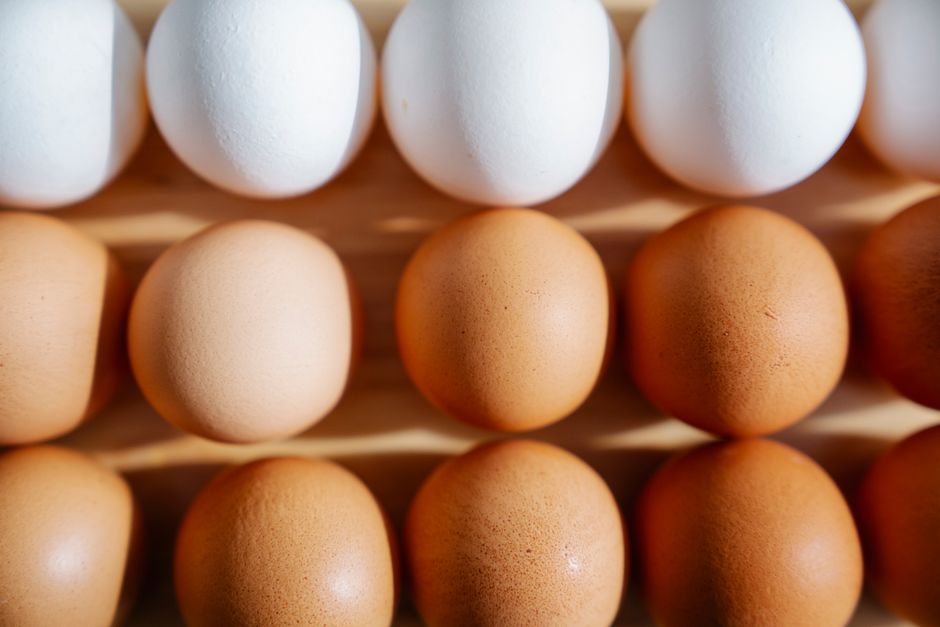
| Eggs | Animal protein | Breakfast, snacks, salads |
| Greek yogurt | Dairy protein | Breakfast bowls and snacks |
| Chicken breast | Lean meat | Lunch and dinner meals |
| Tuna | Fish | Sandwiches, salads, rice bowls |
| Salmon | Fatty fish | Dinner with vegetables |
| Lentils | Plant protein | Soups, stews, bowls |
| Beans | Plant protein | Salads, chili, wraps |
| Tofu | Soy protein | Stir-fries and plant-based meals |
| Cottage cheese | Dairy protein | Snacks and breakfast |
| Turkey | Lean meat | Sandwiches and meal prep |
Animal-Based High Protein Foods
Animal-based protein foods are often complete proteins, meaning they provide all essential amino acids. Good options include eggs, chicken, turkey, fish, lean beef, Greek yogurt, cottage cheese, milk, and seafood. These foods can be useful for people who want simple protein sources with strong nutrient value.
Plant-Based High Protein Foods
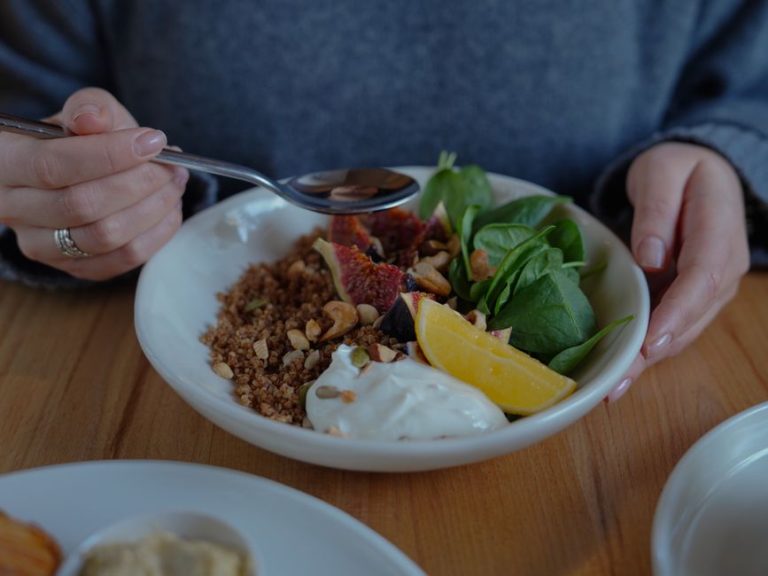
Plant-based protein foods can also support a healthy diet. Lentils, chickpeas, beans, tofu, tempeh, edamame, quinoa, nuts, seeds, soy milk, and pea-based foods are useful options. Plant proteins often come with fiber, which also supports digestion and fullness.
High Protein Breakfast Ideas
- Greek yogurt with berries, oats, and chia seeds.
- Eggs with whole-grain toast and vegetables.
- Cottage cheese with fruit and nuts.
- Protein smoothie with yogurt, banana, and oats.
- Tofu scramble with vegetables.
High Protein Lunch Ideas
- Chicken salad bowl with rice and vegetables.
- Tuna wrap with salad and yogurt sauce.
- Lentil soup with whole-grain bread.
- Turkey sandwich with vegetables.
- Bean and avocado bowl.
High Protein Dinner Ideas
- Salmon with potatoes and salad.
- Chicken with rice and vegetables.
- Tofu stir-fry with noodles or rice.
- Lean beef chili with beans.
- Egg omelet with vegetables and a side salad.
Protein for Weight Loss
Protein can support weight loss because it helps meals feel more satisfying. However, protein alone does not cause fat loss. Weight loss still depends on overall calorie intake, activity, sleep, and consistency. A balanced plate with protein, vegetables, fiber-rich carbohydrates, and healthy fats is usually more sustainable than extreme dieting.
Protein for Muscle Maintenance
Protein is especially important for people who exercise, walk regularly, lift weights, or want to maintain muscle while losing weight. Spreading protein across meals may be more useful than eating most protein at one meal.
Common Mistakes
- Relying only on protein bars instead of whole foods.
- Ignoring fiber, vegetables, and healthy carbohydrates.
- Eating very high protein without enough water or balanced meals.
- Assuming everyone needs protein powder.
- Choosing processed meats too often.
Related HealthyLifeVibe Guides
- Healthy Breakfast Ideas
- Best Weight Loss Foods 2026 Guide
- Foods High in Fiber
- Walking for Weight Loss
- Healthy Grocery List on a Budget
FAQ
What food is highest in protein?
Chicken breast, tuna, salmon, Greek yogurt, eggs, lean meats, tofu, lentils, and beans are all strong protein choices.
Can protein help with weight loss?
Protein may help with fullness and appetite control, which can support weight management when combined with a balanced diet.
Do I need protein powder?
No. Protein powder is convenient, but many people can get enough protein from normal foods such as eggs, yogurt, fish, chicken, beans, lentils, and tofu.
Are plant proteins enough?
Yes, plant proteins can be enough when meals are varied and include foods such as beans, lentils, tofu, soy foods, nuts, seeds, and whole grains.
Editorial note: This article is educational and does not replace personalized medical or nutrition advice.
How to Add More Protein Without Overcomplicating Meals
The easiest way to increase protein is to upgrade meals you already eat. Add Greek yogurt to breakfast, include eggs with toast, add beans to salads, use tuna in sandwiches, or add lentils to soup. You do not need a strict diet plan to improve protein intake. Small changes repeated daily are usually easier to maintain.
Budget-Friendly High Protein Foods
Protein does not have to be expensive. Eggs, canned tuna, lentils, beans, chickpeas, milk, yogurt, cottage cheese, and frozen fish can be affordable options. Buying larger packs, cooking at home, and using simple meal prep can help reduce food costs.
Simple High Protein Grocery List
- Eggs
- Greek yogurt
- Chicken or turkey
- Canned tuna or sardines
- Lentils and beans
- Tofu or tempeh
- Cottage cheese
- Nuts and seeds
How to Add More Protein Without Overcomplicating Meals
The easiest way to increase protein is to upgrade meals you already eat. Add Greek yogurt to breakfast, include eggs with toast, add beans to salads, use tuna in sandwiches, or add lentils to soup. You do not need a strict diet plan to improve protein intake. Small changes repeated daily are usually easier to maintain.
Budget-Friendly High Protein Foods
Protein does not have to be expensive. Eggs, canned tuna, lentils, beans, chickpeas, milk, yogurt, cottage cheese, and frozen fish can be affordable options. Buying larger packs, cooking at home, and using simple meal prep can help reduce food costs.
Simple High Protein Grocery List
- Eggs
- Greek yogurt
- Chicken or turkey
- Canned tuna or sardines
- Lentils and beans
- Tofu or tempeh
- Cottage cheese
- Nuts and seeds
Last reviewed by HealthyLifeVibe Editorial Team: June 2026. This article is for informational purposes only and does not replace professional medical advice.